Size the pump to the pool, then to your patience
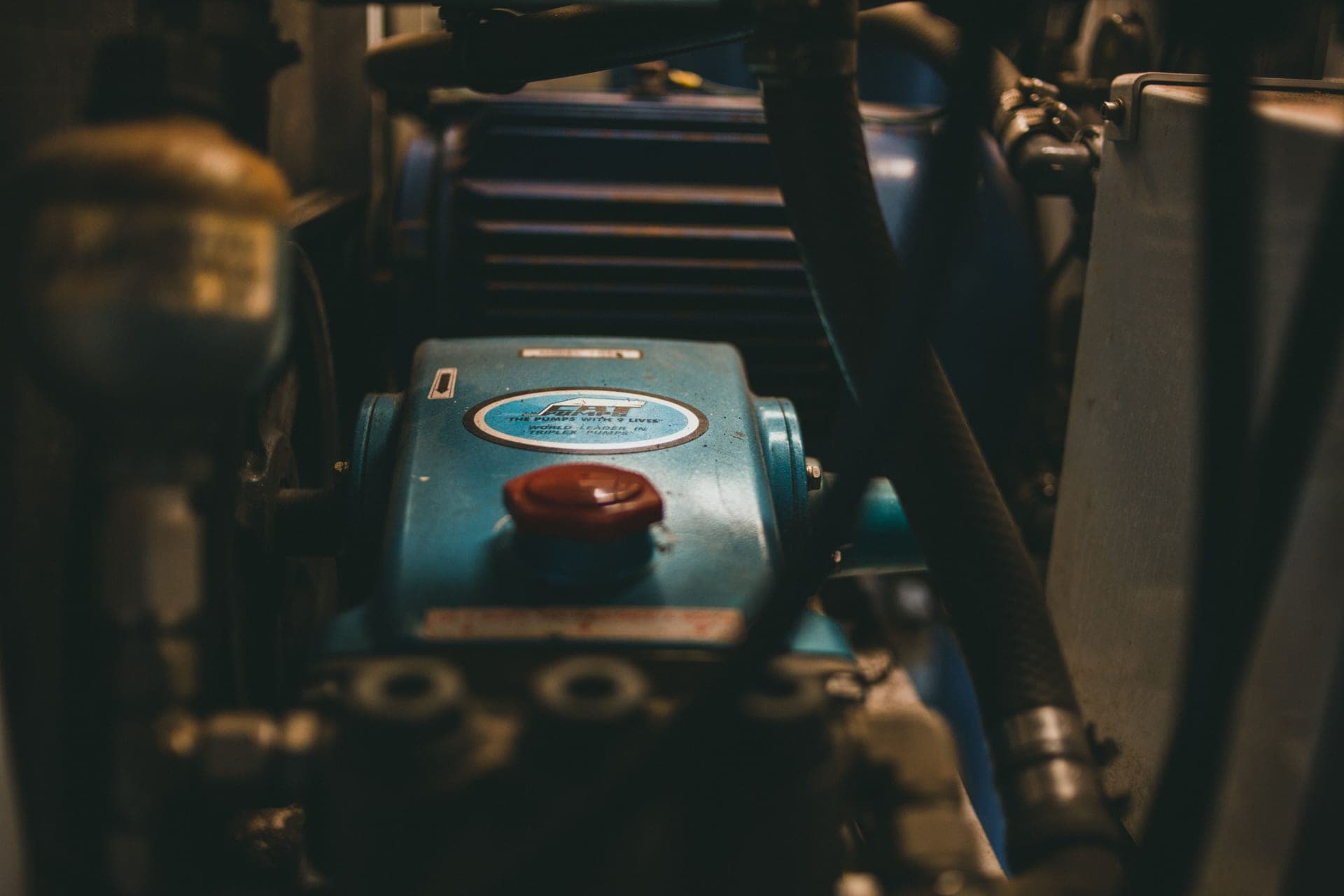
Pump sizing is the one piece of pool arithmetic worth doing properly, and it is not difficult. You want the pump to move your entire pool volume through the filter at least once a day, and preferably twice in hot weather. Take your gallons, divide by the pump’s flow rate in gallons per hour, and you have the hours per turnover. A 5,000-gallon pool with a 1,000 gph pump needs five hours per turnover — so eight to ten hours a day of running is a sensible target, not an arbitrary one.
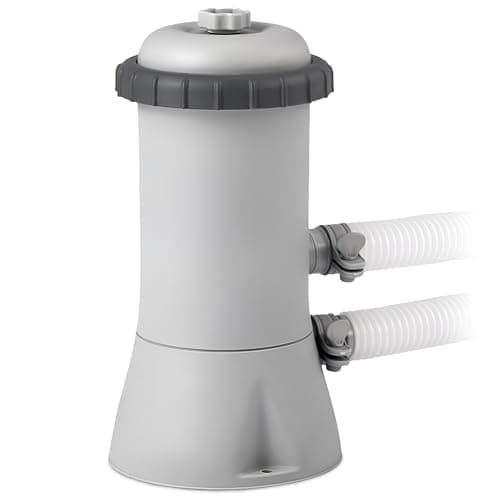
Undersize the pump and the water never really clears no matter how many chemicals go in. Oversize it and you pay for watts you do not need, every day, all season. That trade-off is the reason we cost equipment in watts rather than dollars alone — see pumps for the sizing table and the running-cost math for each pick.
Filters: the choice is maintenance style, not quality
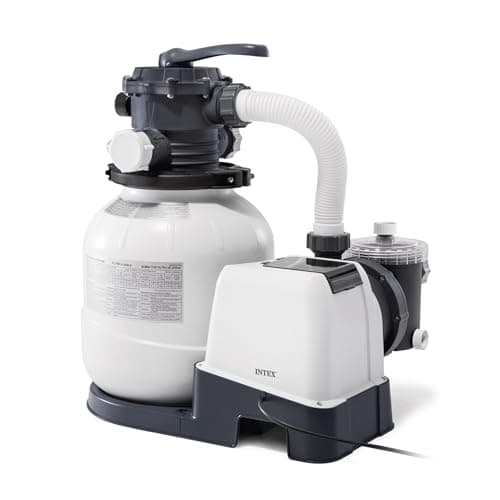
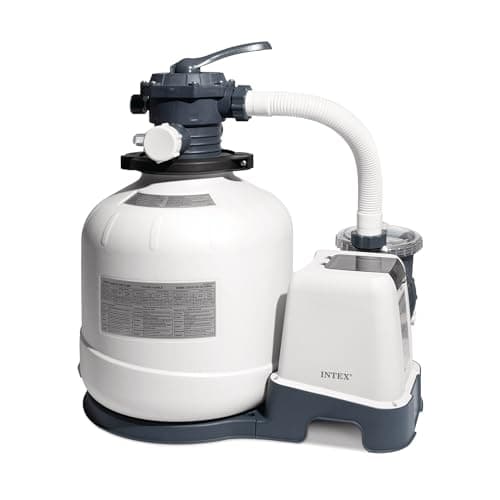
Cartridge and sand filters both work. What differs is the shape of the chore and the shape of the cost. A cartridge filter has no ongoing media cost and is trivially simple — you pull the cartridge out and hose it off — but the cartridge is a consumable you replace on a schedule, and rinsing it is a weekly job in a busy pool. A sand filter is backwashed rather than cleaned, which takes two minutes but sends water down the drain each time, and the sand itself lasts years before it needs changing.
For most seasonal above-ground pools the cartridge is the right default purely because it is what the pump kit already includes. The full argument, with the consumable cost worked through for both, is at sand versus cartridge, what is actually inside the filter compares the media themselves, and the picks are at pool filters.
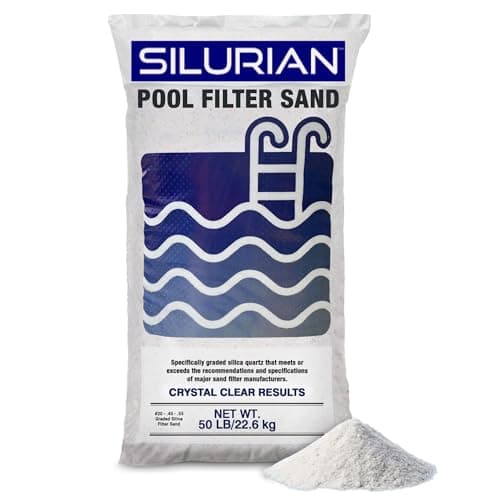
If you already own a sand filter, the media question has a published answer that almost nobody reads: Intex and Bestway both specify #20 silica sand at 0.45 to 0.85 mm, and both warn that ungraded sand voids the warranty. What each bag on the shelf actually states, how many bags your tank takes, and whether glass or zeolite is worth the swap are all in pool filter sand.
Everything else, in the order you will need it
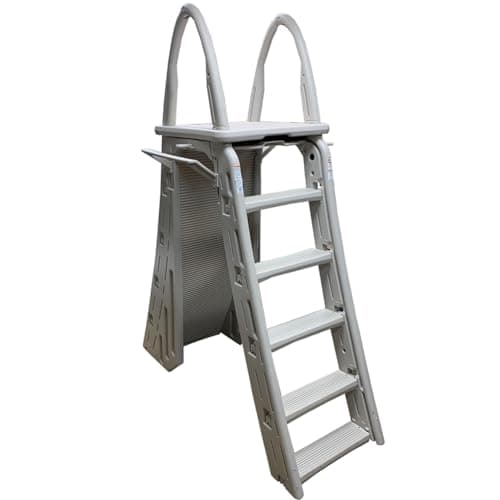
A ladder comes first and is more of a safety item than an accessory — the published weight limit is the spec to read, and it is frequently lower than people assume. A vacuum is the next thing you will want, once you discover that skimming handles the surface and nothing handles the floor. Battery handheld vacuums are the sensible choice for a seasonal pool; robotic cleaners are a genuine convenience and a genuinely large expense, and we are direct about which pools justify one. Past about six thousand gallons the answers change enough that we wrote them up separately — equipment for a large pool covers filtration, run time and cleaning at that size, and what is worth automating is an honest look at which of it earns its place on a seasonal pool.
Heaters are the most consequential purchase in this hub and the one that most changes your annual bill. Extending the swim season by a month is a real pleasure and it is not cheap; we show what it costs to run rather than what it costs to buy, because those two numbers point in opposite directions. And a salt system is worth understanding before you want one, if only to know that it makes chlorine rather than replacing it.
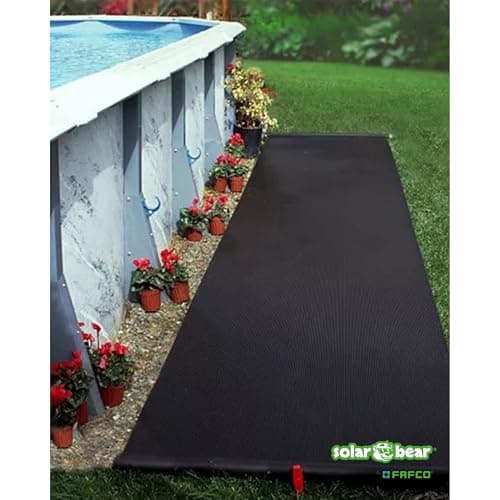
The free version of a heater is solar, and the decision there comes down to one number and one compatibility note: how much black collector you are buying, and the fact that the biggest panel maker publishes that its systems will not work with Intex filters. Panels, mats and floating rings differ by roughly seven times on collector area, which is the difference between warming a pool and nudging it.
The rule that keeps this hub honest
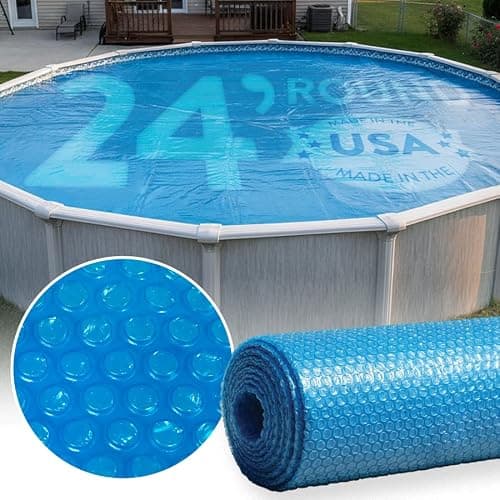
Equipment is where a pool budget quietly doubles, and it is where affiliate content is least useful, because everything gets recommended. Our filter is simple: a piece of equipment earns a place here if it either saves you more than it costs across a season, or does something you genuinely cannot do without it. A solar cover clears that bar easily. A heater clears it only for some people. A robotic cleaner clears it for fewer still, and we say so on its own page.
Whatever you buy here, put it through the cost-to-run guide before you buy it. Equipment is the difference between a pool that costs a little each year and one that costs a lot, and that difference is entirely under your control at the point of purchase.
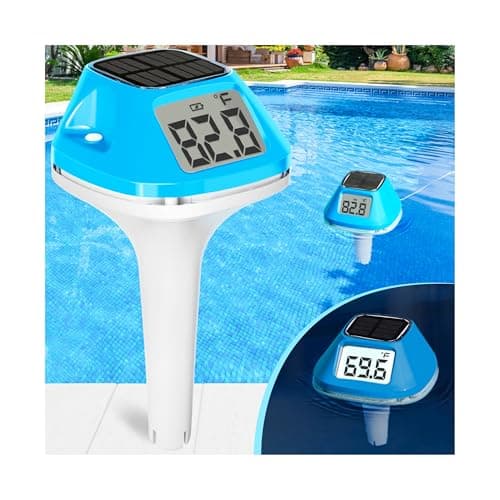
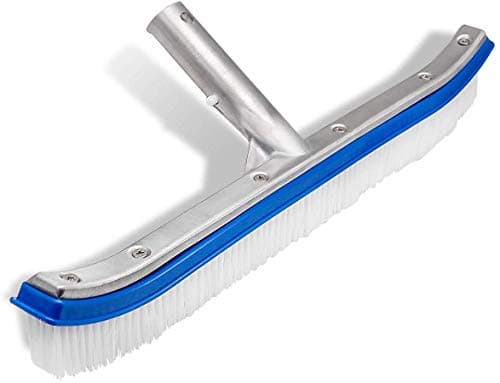
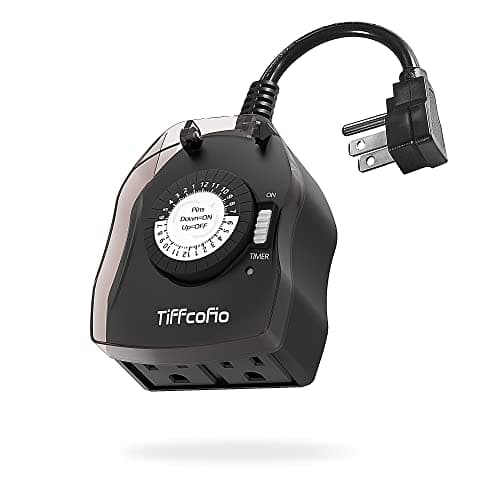
By that filter, the cheapest wins in this hub are the least glamorous. A pump timer saves real money on the pump you already own, which is why we argue against variable speed pumps for pools this size rather than for them. Fresh filter cartridges are the usual answer to cloudy water that tests fine. A nylon brush prevents more chemical spend than anything you can pour in. And a thermometer costs almost nothing and decides the single most expensive judgment call of the pool year.
Four more decisions live in this hub. The liner is the most expensive thing you can wreck in an afternoon and the cheapest thing to protect. If you are pricing warmth, gas against electric is the comparison — and the answer for a seasonal pool is often neither. A set of magnetic pool lights is the one upgrade that changes when the pool gets used rather than how well it runs. And a pool alarm removes the silence, which is a real and strictly limited benefit that belongs behind a barrier rather than instead of one.
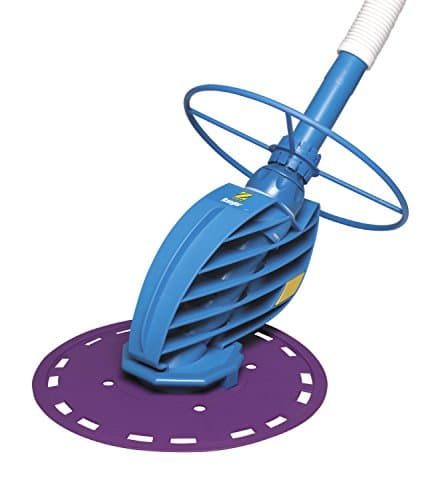
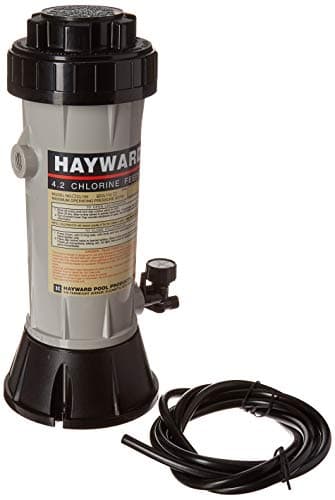
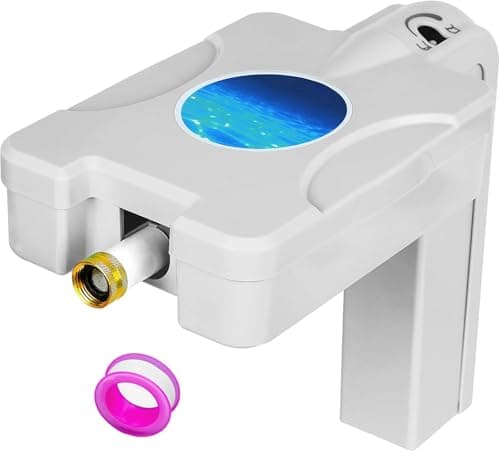
Three more pieces of hardware are worth knowing exist. A suction-side cleaner is the category between a vacuum head and a robot — no motor of its own, powered entirely by the pump you already run. An automatic chlorine feeder puts the tablet dose on a dial instead of leaving it to the tablet. And an automatic filler keeps the water above the skimmer, which is what stops a pump running dry — the failure that ends most of them.
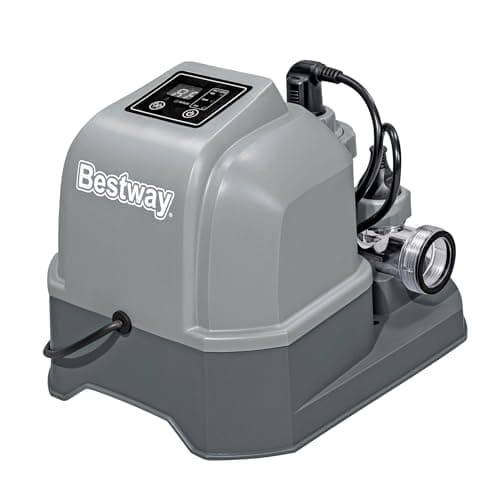
If you are moving to salt, the model matters less than the match. Our salt system roundup compares named units from Intex, Bestway, Solaxx and Hayward on the specification most listings bury — the pump flow each one needs — which rules the most popular unit out for most cartridge-pump pools before capacity is even considered.
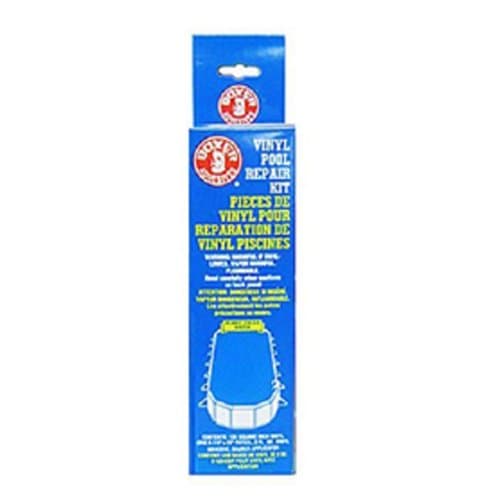
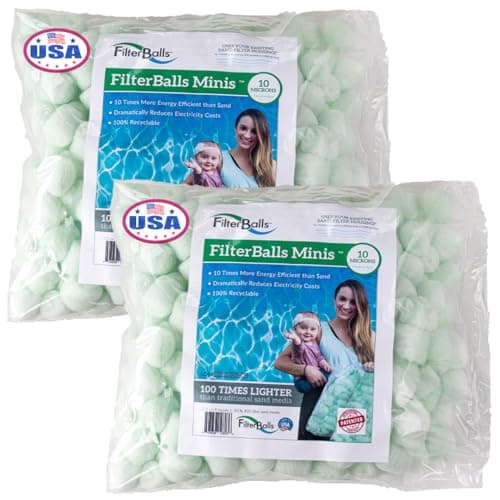
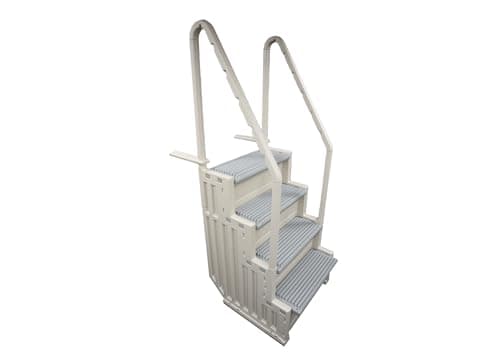
Five newer pages cover the parts that get bought last and matter first. Sand filters should be sized on system flow rather than the pump flow on the box, and filter balls are weighed here against claims that contradict each other across one brand’s own pages. Underneath the water, a liner pad is the cheapest insurance in the whole build and a patch kit is what stands between a pinhole and a new liner. And for getting in and out, entry steps compares drop-in steps, gated entry systems and ladders — including a recall every buyer in that category should know about.
Three comparisons settle the choices people actually weigh: robotic against suction cleaners, where your pump flow rules one of them out; a floating dispenser against a feeder, which both exist to stop you putting tablets in the skimmer; and steps against a ladder, which is a safety decision rather than a comfort one. Three more start from the pool you own: equipment for a small pool, what changes when you convert to salt, and what to buy on day one.
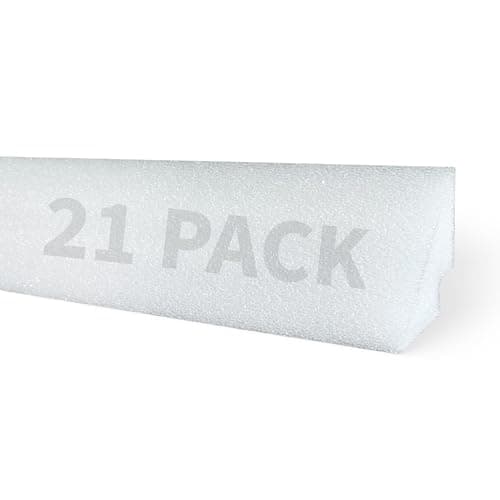
One more part, fitted at the only moment you can fit it. Pool cove is a foam strip at the base of the wall that stops water pressure pushing the liner out underneath it — the cheapest item in this hub, protecting the most expensive consumable, and installable only before the sand and the liner go in. The page carries the full published piece-count chart by pool size, plus the wall foam that handles the vertical wall the cove does not reach.
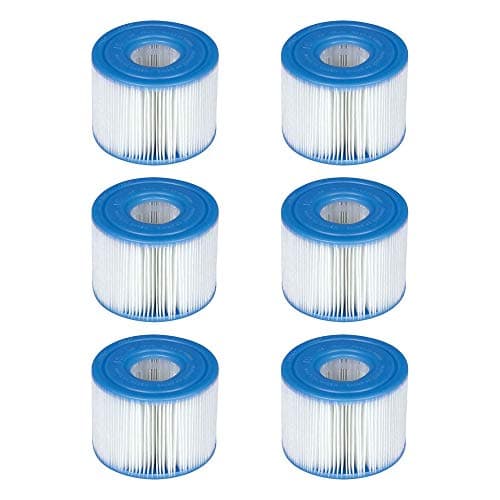
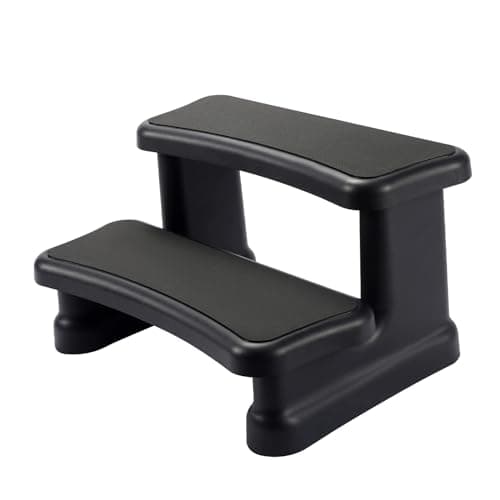
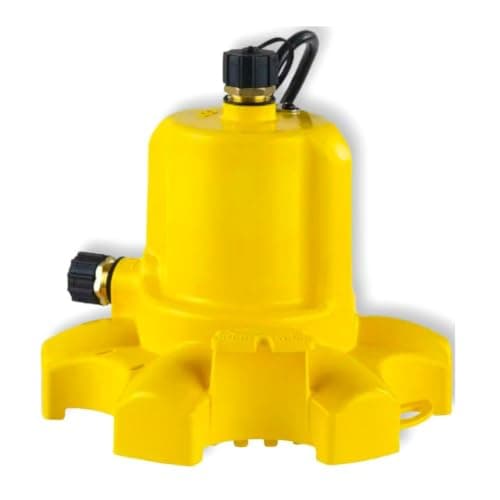
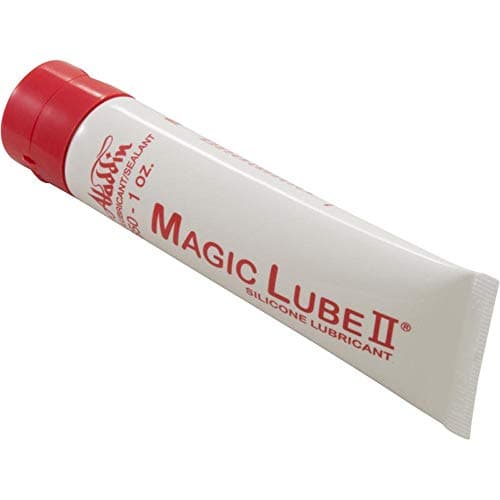
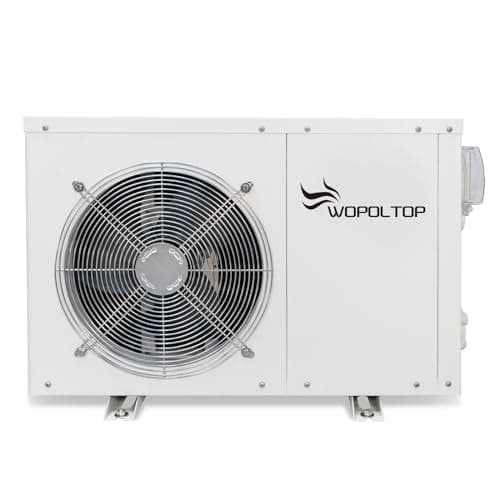
Five pages were added for the closing season and the tub season. Pumps for draining a pool are ranked on published drain-down depth rather than flow, because the last inch is the job. Pool lubricant has exactly one rule — silicone, never petroleum — and you need far less of it than the tubes suggest. Pool heat pumps are the cheapest way to heat a pool and Hayward publishes the catch: below about 50F they cut out entirely. And for the hot tub, spa filter cartridges come down to Type S1 for Intex against Type VI for the Bestway family, which do not interchange, while spa steps and handrails separate the product that solves height from the one that solves balance.
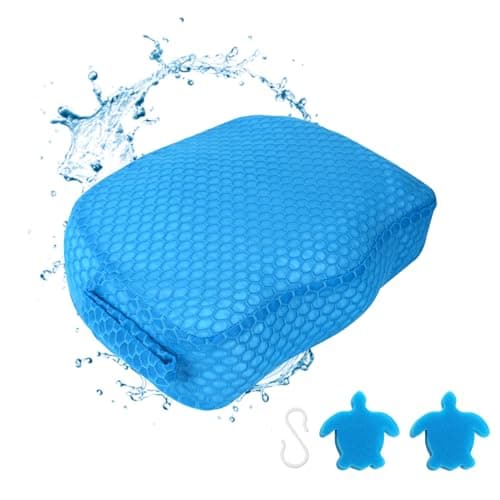
One addition, and it is decided by physics rather than comfort. Hot tub booster seats and headrests come in two mechanisms: weighted ones that sink by mass, and suction-cup ones that stick to a surface. The suction-cup products publish their own limitation — install on “a smooth, dry tub surface” — and the drop-stitch floor of an inflatable tub is neither smooth nor rigid. So weighted wins for most readers here, the same way nothing mounts to an inflatable wall on our steps and handrails page. Worth knowing before you buy: the published five inches of lift is also five inches less water over your shoulders, which in a tub used through winter is a real loss.