Best Pool Float
The best pool floats
Floats ranked on material, valve type and published weight capacity - the three specs that decide whether it survives a season.
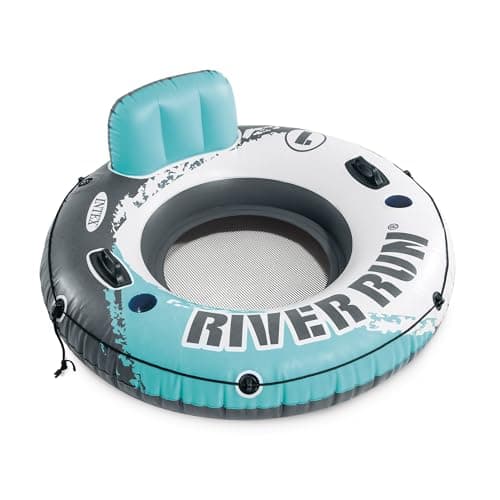
Our top pick: Intex River Run Sport Lounge Tube
Floats & Fun
Almost every float is the same three materials. What separates them is seam construction, valve type and how they are stored.
Each of these carries its top pick’s live price and a buy link right here, so you do not have to click three pages deep to find one.
Best Pool Float
Floats ranked on material, valve type and published weight capacity - the three specs that decide whether it survives a season.
Our top pick: Intex River Run Sport Lounge Tube
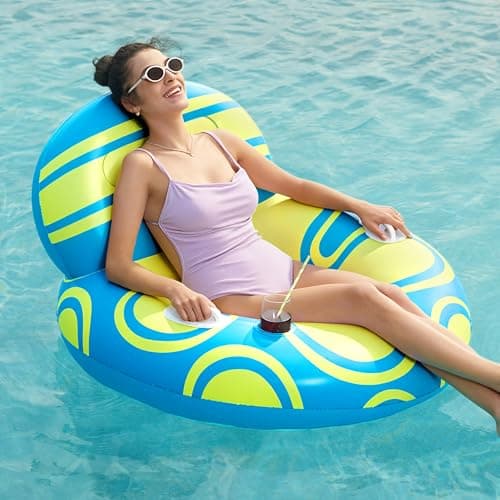
Best for Adults
Adult loungers and tubes compared on capacity and seat design, plus the pool depth each one actually needs.
Our top pick: Mesh-Bottom Pool Lounger Chair
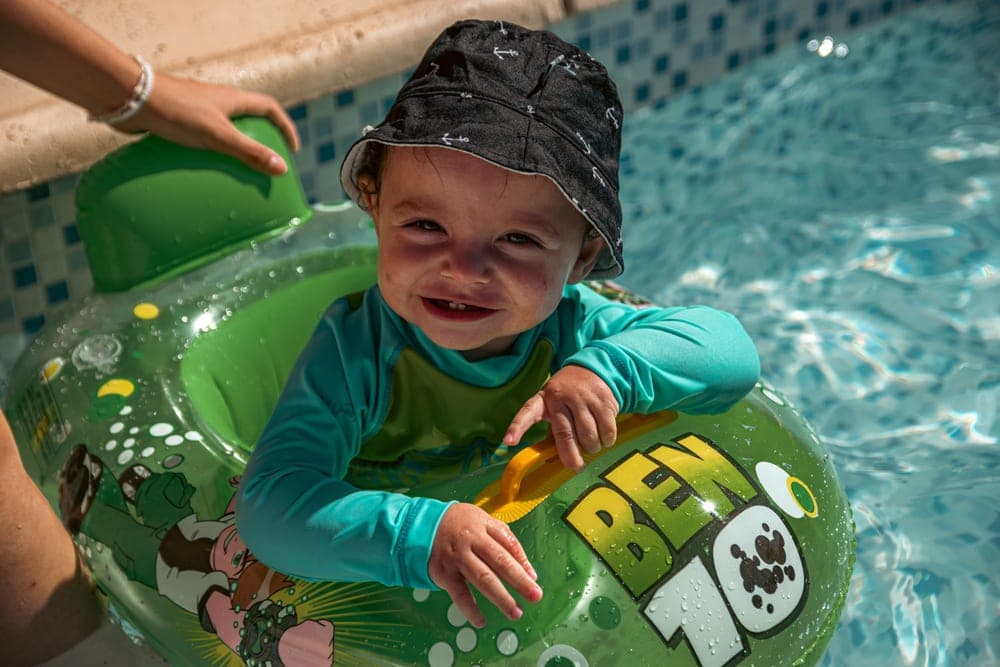
Best for Toddlers
The critical distinction between comfort seats and rated flotation, what to check on the label, and why shade is the underrated feature.
Our top pick: Toddler Swim Vest / Puddle Jumper Style Flotation
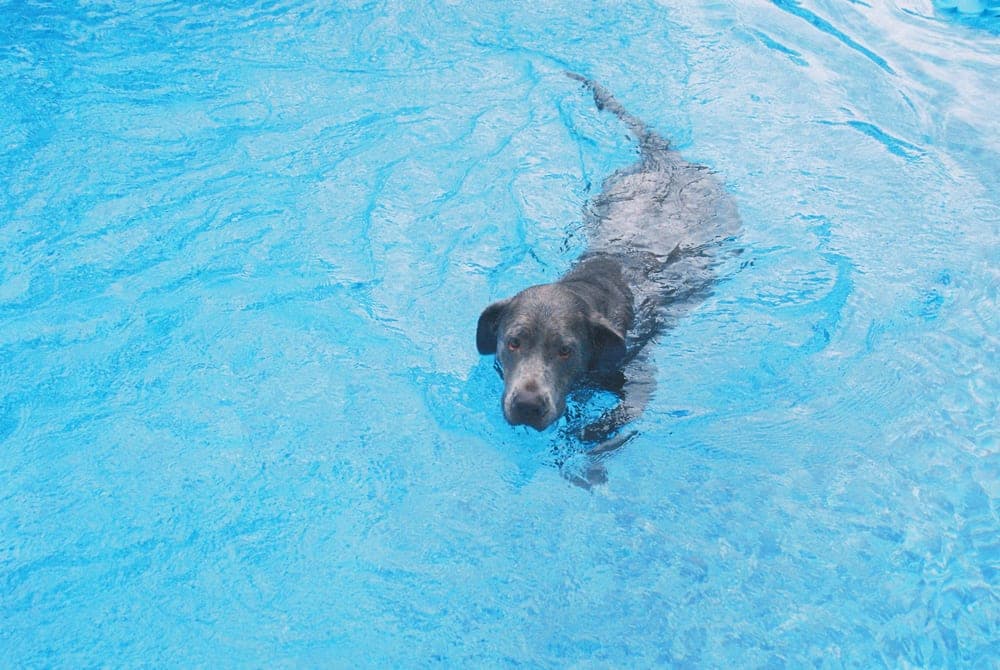
Best for Dogs
Claw-resistant decks, ramps for getting out, and the safety question that matters more than any product here.
Our top pick: Reinforced Dog Pool Float / Ramp
Best Lounger
Mesh chairs versus vinyl mats, the depth each needs, and the four-summer arithmetic that favors mesh.
Our top pick: Mesh-Bottom Pool Lounger Chair
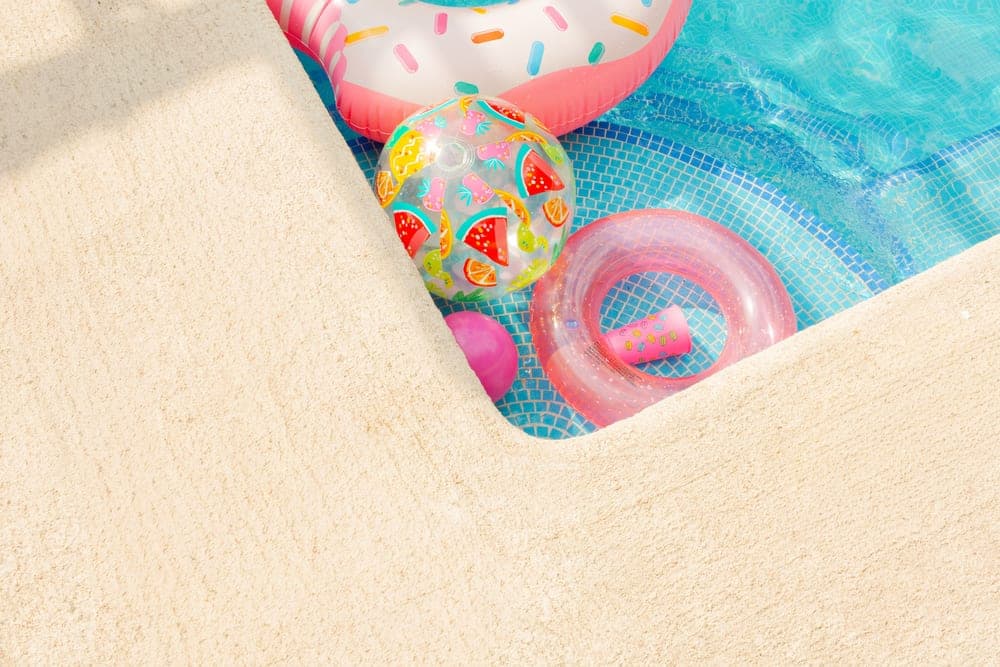
Best Pool Toys
Weighted dive toys, foam noodles and games that work in 24 inches of water - and cannot puncture.
Our top pick: Weighted Dive Toy Set
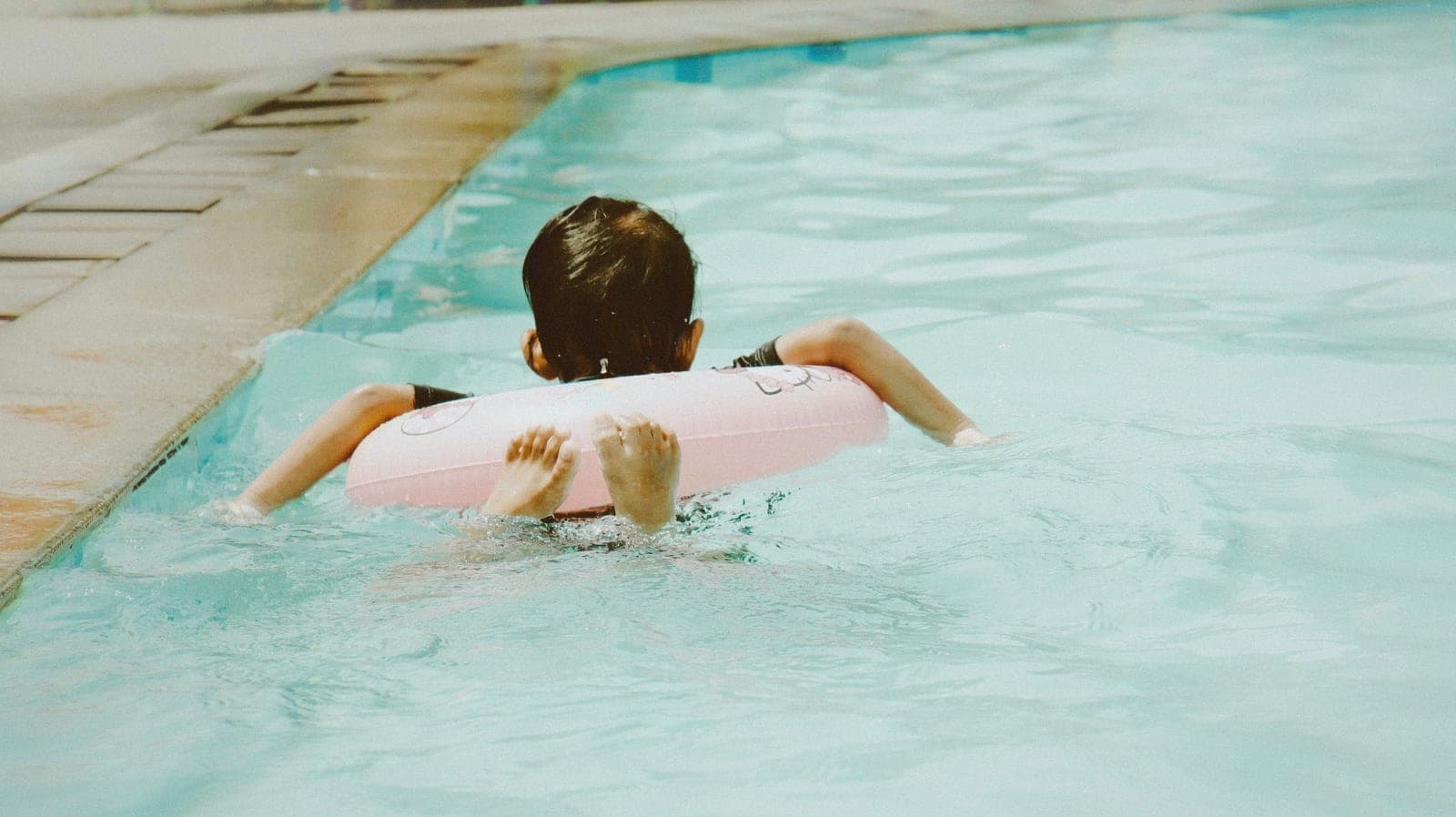
Best Swim Vest
How to tell an approved flotation device from a pool toy, what the weight range on the label means, and why neither replaces supervision.
Our top pick: Toddler Swim Vest / Puddle Jumper Style Flotation
Best for a Pool Party
The float and toy mix that actually works when several people are in the pool at once, and the mistakes that leave you with unused vinyl.
Our top pick: Intex River Run Sport Lounge Tube
Best for Small Pools
What actually floats in 23 to 24 inches of water, what grounds out, and the small-pool kit that gets used instead.
Our top pick: Foam Pool Noodles (multipack)

Best Pool Games
Games that actually work in a shallow above-ground pool, the gear each one needs, and why weighted toys beat everything else per dollar.
Our top pick: Weighted Dive Toy Set
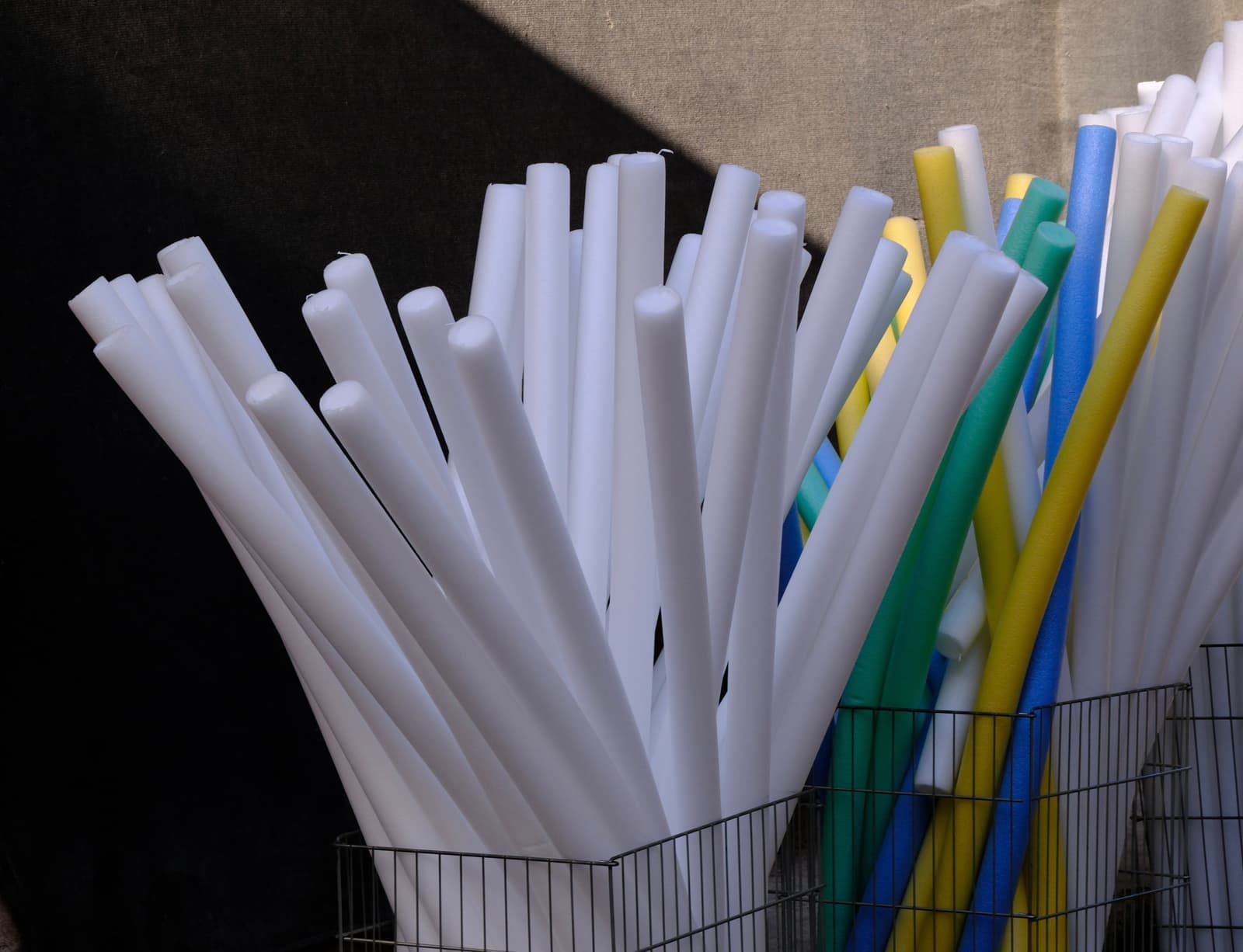
Why closed-cell foam outlives every inflatable, what density and diameter actually change, and the safety line that matters.
Our top pick: Foam Pool Noodles (multipack)
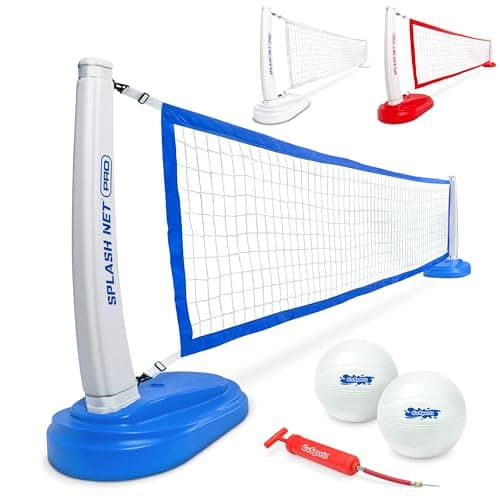
Span, mounting style and liner safety on pool volleyball sets, and why inflatable-base designs suit above-ground pools better than pole anchors.
Our top pick: Pool Volleyball Net Set
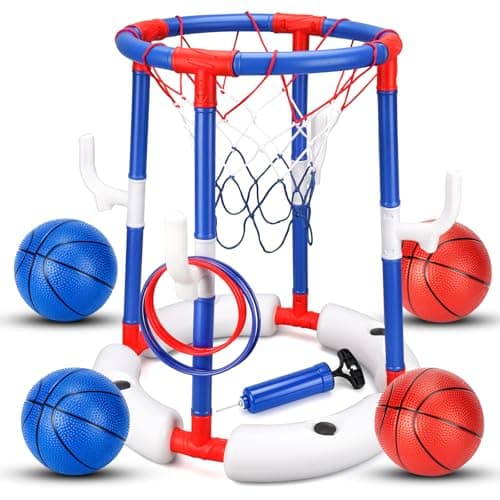
Floating versus poolside hoops, the ballast and mounting details that decide stability, and why the ball is the part that fails.
Our top pick: Mocuba Floating Pool Basketball Hoop with Water-Fillable Base

Sizing a multi-person island to an above-ground pool, why chamber count matters most, and the storage reality nobody mentions.
Our top pick: Multi-Person Inflatable Island
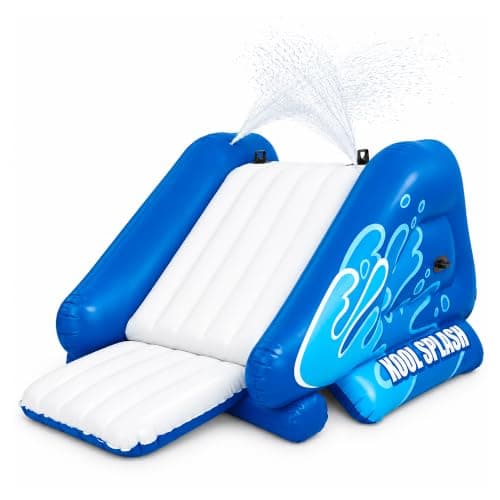
Inflatable pool slides judged on chamber count, weight limit and the deck height they assume — plus the safety line that is not negotiable.
Our top pick: Inflatable Pool Water Slide
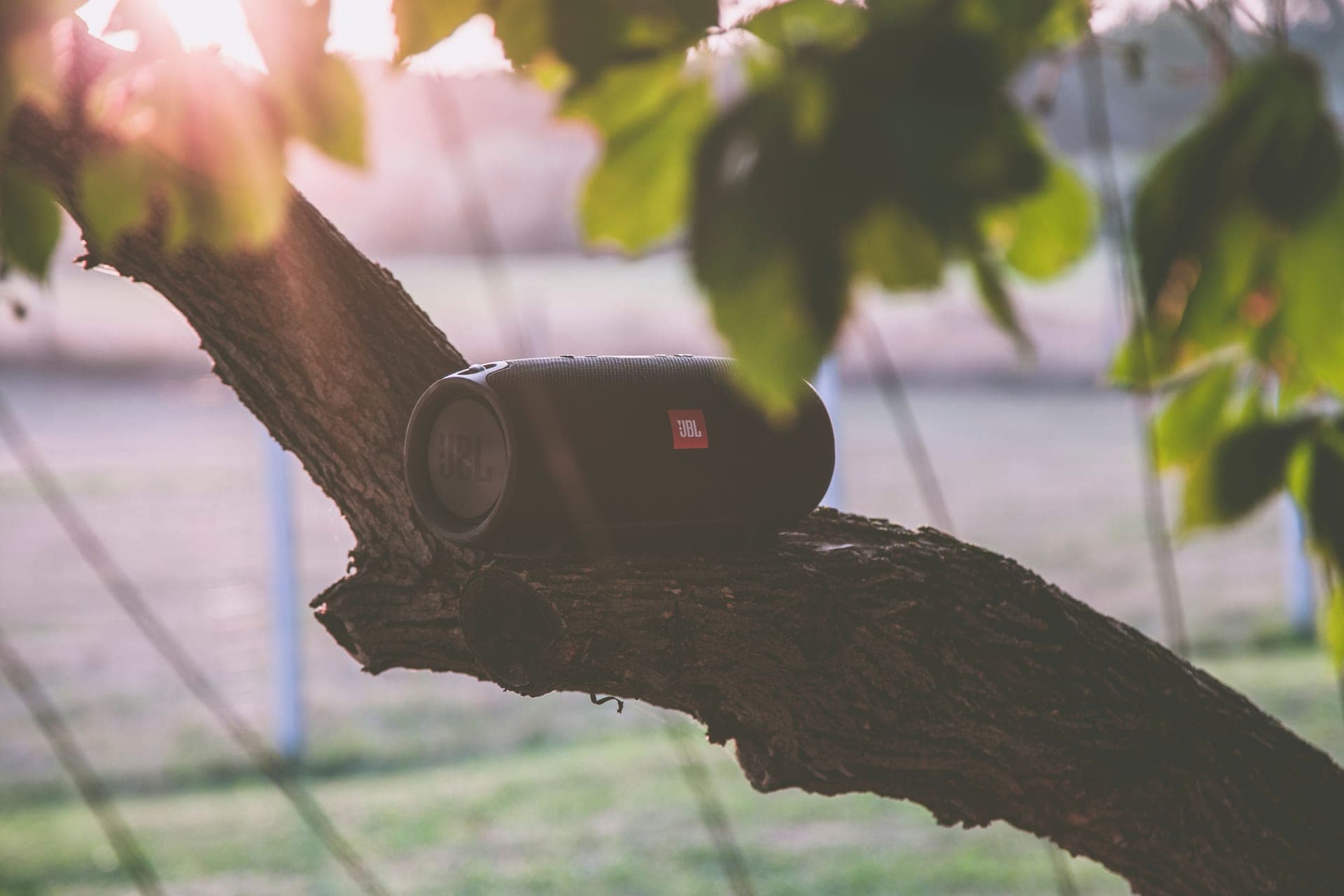
What IP67 and IPX7 actually certify, why floating is a separate specification, and how much output a poolside speaker really needs.
Our top pick: Floating Waterproof Bluetooth Speaker
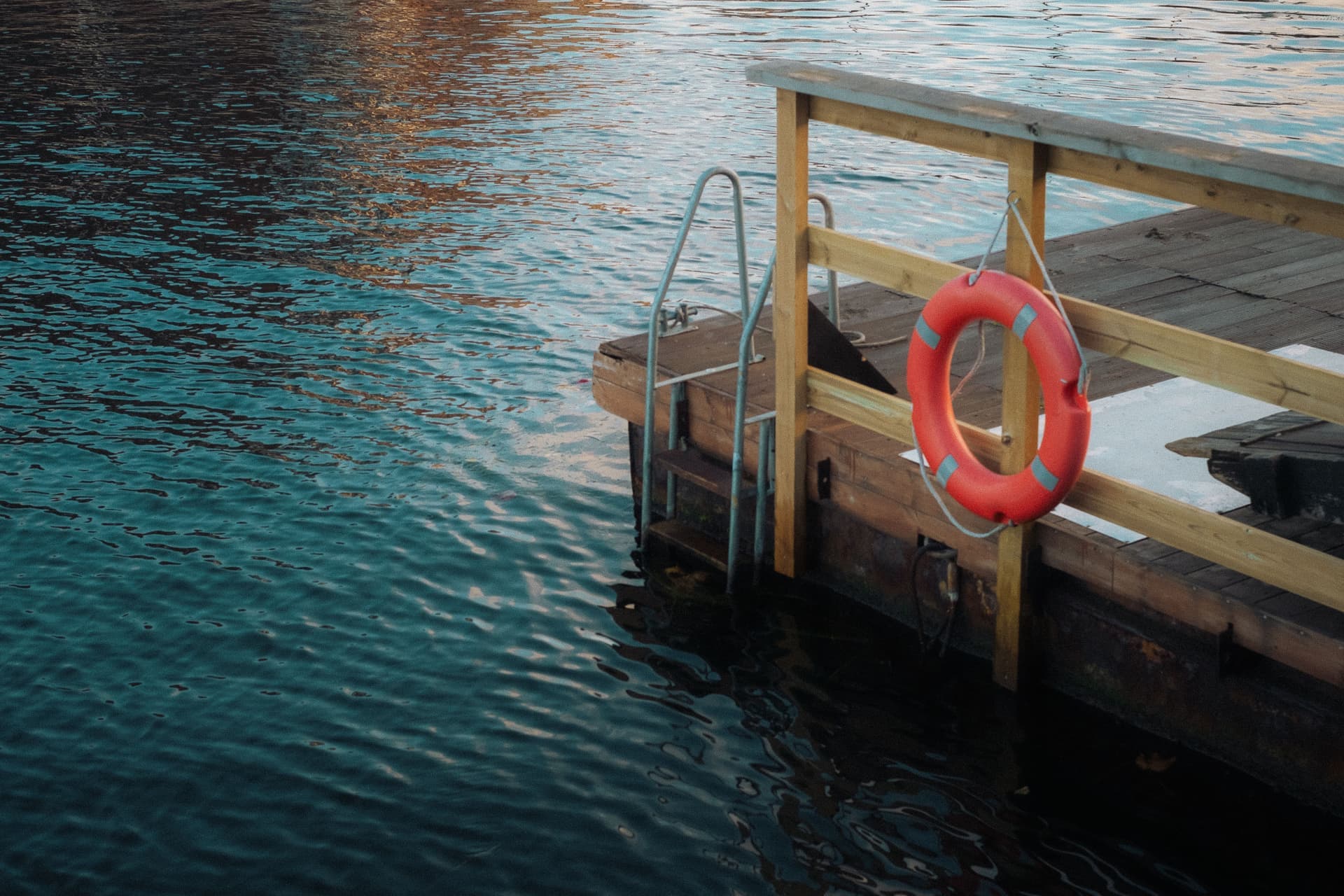
Reach poles, ring buoys and where they have to be mounted to be any use — the layer of pool safety with the best price-to-benefit ratio there is.
Our top pick: Rescue Hook and Ring Buoy Set
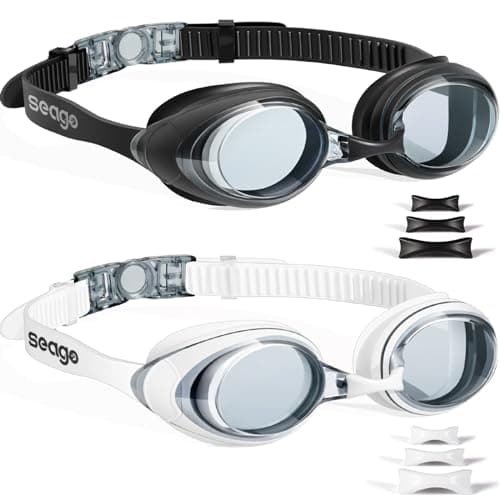
Swim goggles judged on anti-fog coating, gasket material, nose bridge and strap design — and the three things that actually destroy them.
Our top pick: Swim Goggles (Anti-Fog)

Pump-action water blasters compared on reservoir size, range and refill mechanism, plus the one rule worth stating before handing them out.
Our top pick: Pump-Action Water Blaster

Floating drink holders, tray tables and cooler floats compared on sizing, material and wind behavior — plus the glass-in-the-pool argument.
Our top pick: Floating Drink Holder / Cooler
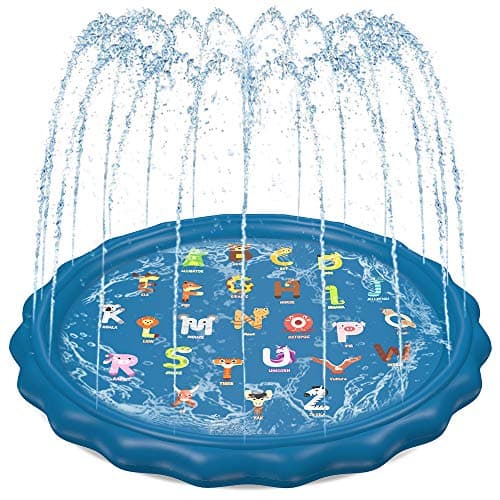
Inflatable splash pads and sprinklers for toddlers — what they solve alongside a pool, the surface and sizing specs, and the honest water cost.
Our top pick: Inflatable Splash Pad Sprinkler
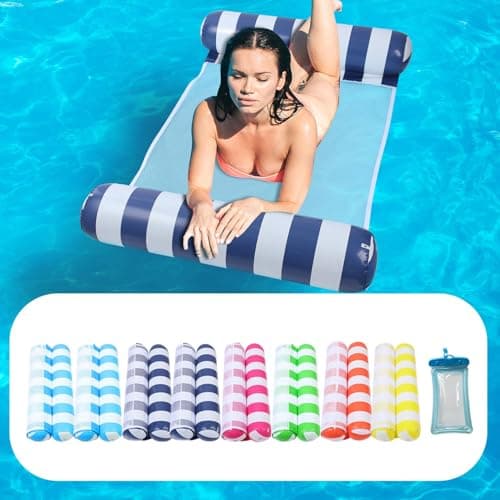
4-in-1 hammock and saddle floats compared with flat loungers on temperature, stability and the water depth they need to work.
Our top pick: 4-in-1 Pool Hammock Float
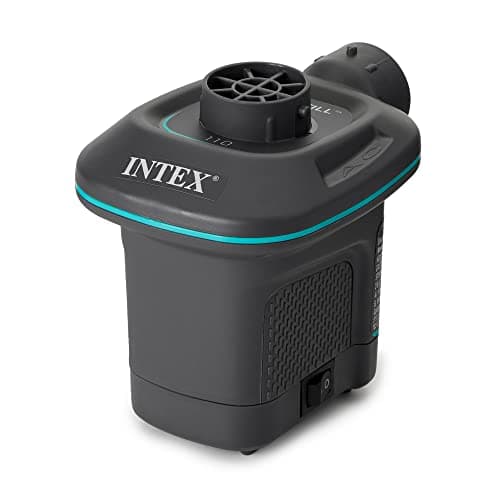
Mains, 12V and cordless air pumps compared on published airflow in liters per minute, what each maker rates them for, and which one Intex labels indoor-use only.
Our top pick: Intex Quick-Fill AC Electric Air Pump (66639E)
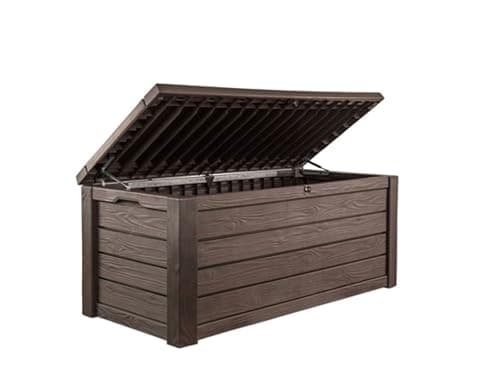
Deck boxes and mesh bins compared on capacity, drying, published weather resistance and the warranty exclusions that tell you what each one is really built for.
Our top pick: Keter Westwood 150 Gallon Deck Box
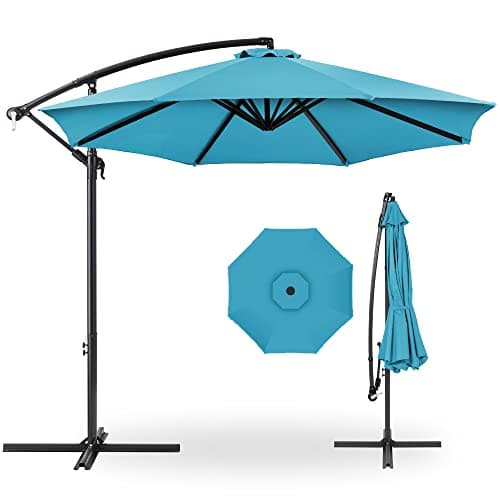
Shade over and beside a pool compared on published shade area, UV rating and the anchoring each format actually needs.
Our top pick: Best Choice Products 10 ft Offset Cantilever Patio Umbrella
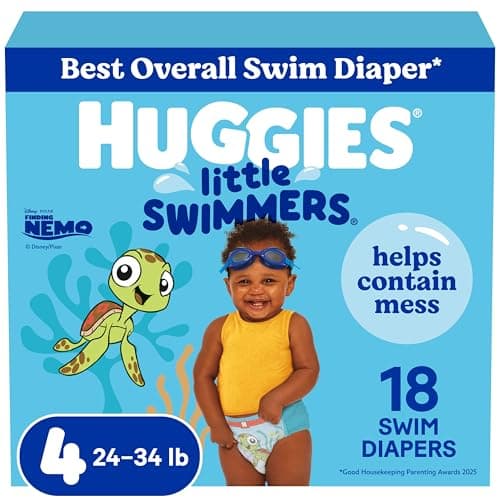
Disposable and reusable swim diapers compared on published sizing and cost per swim, plus the CDC guidance that does the job people think the diaper does.
Our top pick: Huggies Little Swimmers Disposable Swim Diapers
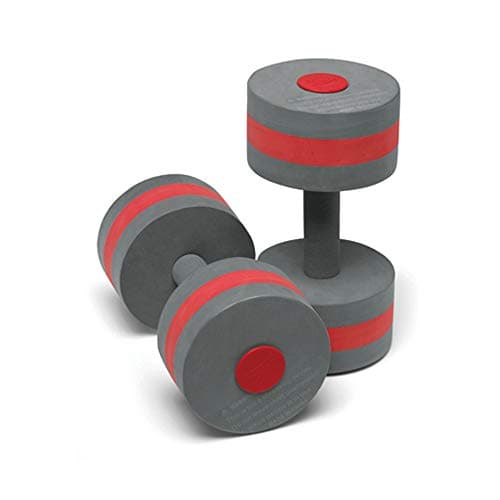
Water aerobics gear ranked by how it creates resistance and how much depth it needs - because an above-ground wall decides which half of this category is usable.
Our top pick: Speedo Aqua Fitness Barbell
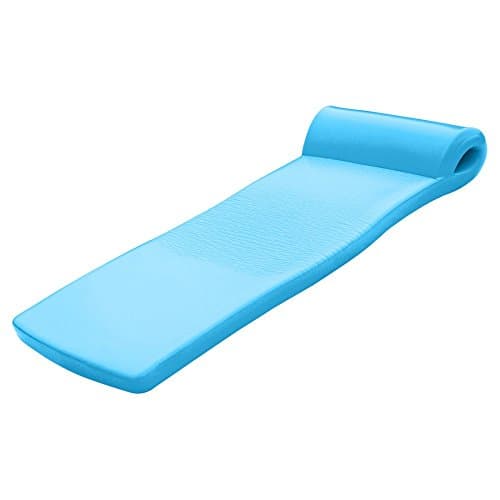
Best Foam Float
Vinyl-coated foam floats compared on published thickness and published weight - the quantitative comparison the inflatable category cannot offer at any price.
Our top pick: TRC Recreation Ultra Sunsation Pool Float, 2.5 in
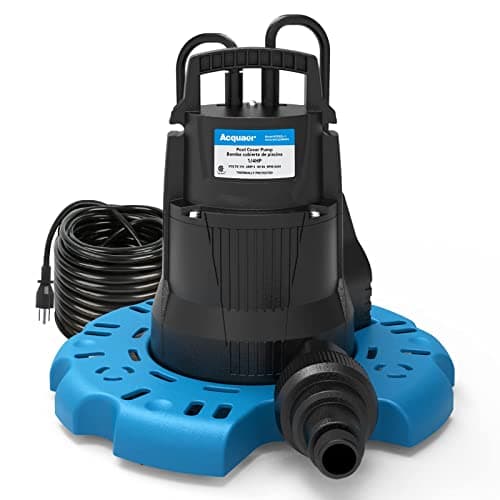
Best Pool Owner Gift
Pool gifts sorted by the two things that actually matter in December - whether it needs to fit their pool, and whether it can be used before the pool reopens.
Our top pick: Submersible Pool Cover Pump
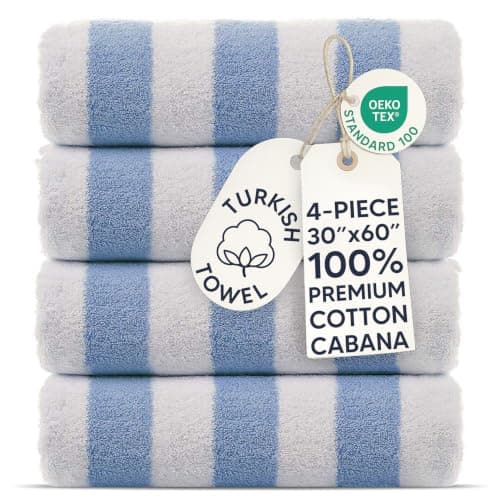
Best Pool Towel
Poolside towels ranked on computed fabric weight rather than marketing adjectives, with the arithmetic and the inputs shown.
Our top pick: Chakir Turkish Linens Cabana Stripe Pool Towels, 4-Pack
Pool floats look like a wildly varied category and are not. Nearly all of them are made from one of three things, and knowing which you are buying tells you more than any product description will.
Thin vinyl is what most novelty floats and rings are made from. It is cheap, it prints beautifully, and it is the reason the unicorn does not come back next summer. Heavy-gauge vinyl is the same material at two or three times the thickness, which is genuinely more durable and correspondingly heavier to inflate. Mesh and fabric loungers avoid the question entirely by having little or no inflated volume to puncture, which is why they outlast the inflatables around them by years.
The second thing that decides lifespan is the valve. A cheap pinch valve leaks slowly from the first week and cannot really be fixed; a screw-cap or Boston valve seals properly and can be replaced. If you are choosing between two similar floats, the valve is a better tiebreaker than the print.
We rank floats on seam construction, valve type, material weight where the manufacturer publishes it, and stated weight capacity. We do not rank on how good the photo looks, and we do not pretend to have sat on them. If a manufacturer does not publish a gauge or a capacity, we say so rather than guessing — that absence is itself informative, and it is much more common at the cheap end.
Start with the general roundup if you want one good all-rounder. If you know who it is for, go straight there: adult floats and loungers are a different product from toddler floats, which are a safety purchase rather than a comfort one, and dog floats have to survive claws, which rules out most of the category outright. If several people are getting in at once, our pool party kit list is a different shopping list again — fewer big floats, more of the cheap things that scale. And if a weak swimmer is coming, read swim vests versus toys first. For what to actually do with all of it once everyone is in, see pool games that work in a shallow pool.
This is the one place in this hub where the stakes change. A float is not a life jacket and no amount of product marketing makes it one. The U.S. Consumer Product Safety Commission’s guidance on pool safety is built around layers of protection — barriers, supervision, and Coast Guard-approved flotation where flotation is needed — and an inflatable seat is none of those. Use them with a child inside arm’s reach and treat them as comfort, not as a substitute for watching. We say so on the toddler page too, because it matters more than the ranking does.
Most floats are not destroyed in the water. They are destroyed by heat and sunlight while sitting on hot concrete between swims, by being stored inflated in a hot shed, and by being folded wet and put away with chlorine still on them. UV embrittles vinyl, chlorine residue accelerates it, and heat expands trapped air until seams give.
The fix is boring and effective: rinse with fresh water, dry it, deflate it, store it out of direct sun. Doing that turns a one-season float into a three-season one for free, which is a better return than spending more money. We wrote how long pool floats last around exactly this, because the honest answer to “which float lasts longest” is partly a storage question rather than a purchase one, and storing pool floats is the end-of-season routine that does most of the work.
And if the pool itself is still on the shopping list, floats are a reason to think about depth and clear floor space now rather than later — our pool roundup flags which sizes actually have room for an adult lounger and which do not.
Worth its own heading, because it is the single most common reason an adult float disappoints and it has nothing to do with the float. A mesh-seat lounger works by letting you sit in the water with the seat hanging below the surface. That requires depth, and most above-ground pools do not have as much as their box suggests.
Pools are sold by wall height and filled below it. Intex publishes 23 inches of water in a 30-inch Easy Set — so in that pool a mesh seat reaches the liner and the entire point of the design is lost. A 42-inch wall gives you a little over three feet, which is where mesh loungers start to work properly. Check your water depth rather than your wall height before buying anything that hangs into the water, and if your pool is shallow, buy a flat-bottomed inflatable that floats on the surface instead. It is a different product and it is the right one for that pool.
In a family pool, not the loungers. Weighted dive toys and foam noodles get more use than anything else, they work in 24 inches of water where most float toys do not, and neither has an air chamber to puncture. They are also the cheapest things in the hub. If the budget is tight, spending less on the pool and something on the toys is a better allocation than the reverse — and it is the recommendation we would give a first-pool family before any float on this page.
On that basis, the two pages worth reading before you spend anything are pool noodles, which have no valve and no seam and therefore none of the failure modes above, and inflatable islands, which are the opposite — the most fun per dollar and the hardest thing in the category to actually fit in an above-ground pool. For games, a basketball hoop takes one corner and gets used daily, while a volleyball net takes the whole pool and comes out for parties.
Two more things end up poolside for reasons that have nothing to do with floating. A water slide has a published weight limit and a deck-height requirement that rule out more buyers than the price does, and a floating speaker turns on a distinction the listings blur — waterproof and floating are two separate claims.
And one thing here is not fun at all. A reach pole and a throw ring are what public pools are required to carry and domestic pools almost never do. They are the cheapest item on this whole site — our rescue equipment page covers what to buy and, more importantly, where it has to be mounted to be any use.
A pair of swim goggles costs almost nothing and is the difference between a child who dips and a child who stays under. A water blaster that refills from the pool in a second keeps a game going where one that has to be filled at the tap ends it. A floating drink holder is the reason adults stay in rather than getting out, and it keeps glass off the pool edge. A hammock float keeps you in the water instead of baking on top of it. And for the age group the pool is simply too deep for, a splash pad gives them their own water beside it.
Two things decide whether any of it gets used twice. An electric air pump turns a ten-minute chore into ninety seconds, which is the difference between a float that lives in the garage and one that comes out on a Tuesday. And somewhere to put them between swims keeps them out of the sun and lets them dry — the two things that actually destroy vinyl.
Three head-to-heads cover the choices that come up in the aisle. Noodles against swim vests is the one that matters most: only one of them is labeled flotation, and neither replaces watching. Vinyl against mesh loungers decides whether you sit on the water or in it, and a hoop against a net comes down to how many people are usually in the pool.
Two pages cover the gear that makes a pool usable rather than fun. Pool shade is a square-feet comparison before it is anything else — the 12-foot sail shades about 62 sq ft, the 10 x 10 canopy publishes 100 — and the cantilever umbrella needs 100 lb of base weight its own maker publishes and does not include. And swim diapers are the rare category where the manufacturer prints the limitation on the box: do not expect swim pants to prevent the transmission of diseases.
And one page for people using the pool rather than lounging in it. Pool exercise gear sorts water aerobics equipment by the one criterion the category never applies: how much water depth each format actually needs. A 52-inch wall holds about 46 inches, which is the published chest-deep target for shallow-water work — so the barbells, gloves and cuffs all work, and the flotation belt everyone is sold does not, because it unweights you in water where your feet should be on the floor.
And one page for the question that comes up every time someone sees a float priced like furniture. Cheap floats against premium brandsruns the same construction test across a tenfold price range and finds the opposite of what people expect: the budget brands publish a weight capacity and an air-chamber count, the premium ones largely do not, and nobody in the category publishes the vinyl thickness that would justify the gap.
Three additions, and the first one answers a question this hub could not previously settle. Our brand comparison found that no inflatable float at any price publishes a vinyl gauge, so thickness could never be checked. Foam floats publish it — 1.25, 1.75 and 2.5 inches at the same 70 by 26 inch footprint, with published weights that climb to match, which makes cost per pound of material a real calculation rather than a guess. The same arithmetic trick works on poolside towels, where nobody publishes a GSM but everybody publishes dimensions and weight: divide one by the other and the price order and the fabric order stop matching. And because the pool is shut for the gift-buying half of the year, gifts for pool owners sorts the category by the two things that actually decide whether a present gets used — whether it has to fit a pool you have not measured, and whether it can be used before May.

Guide
What actually destroys a pool float, the four-step routine that roughly triples its life, and when to patch versus replace.
Guide
The end-of-season routine for inflatables and foam: drying properly, folding without creasing, and where to keep them so they survive winter.
Guide
How to locate a slow leak, tell a puncture from a failing valve, and patch vinyl so the repair survives the season.
Guide
What a swimming dog does to chlorine demand, filter loading and the liner, and the routine that keeps it manageable.
Guide
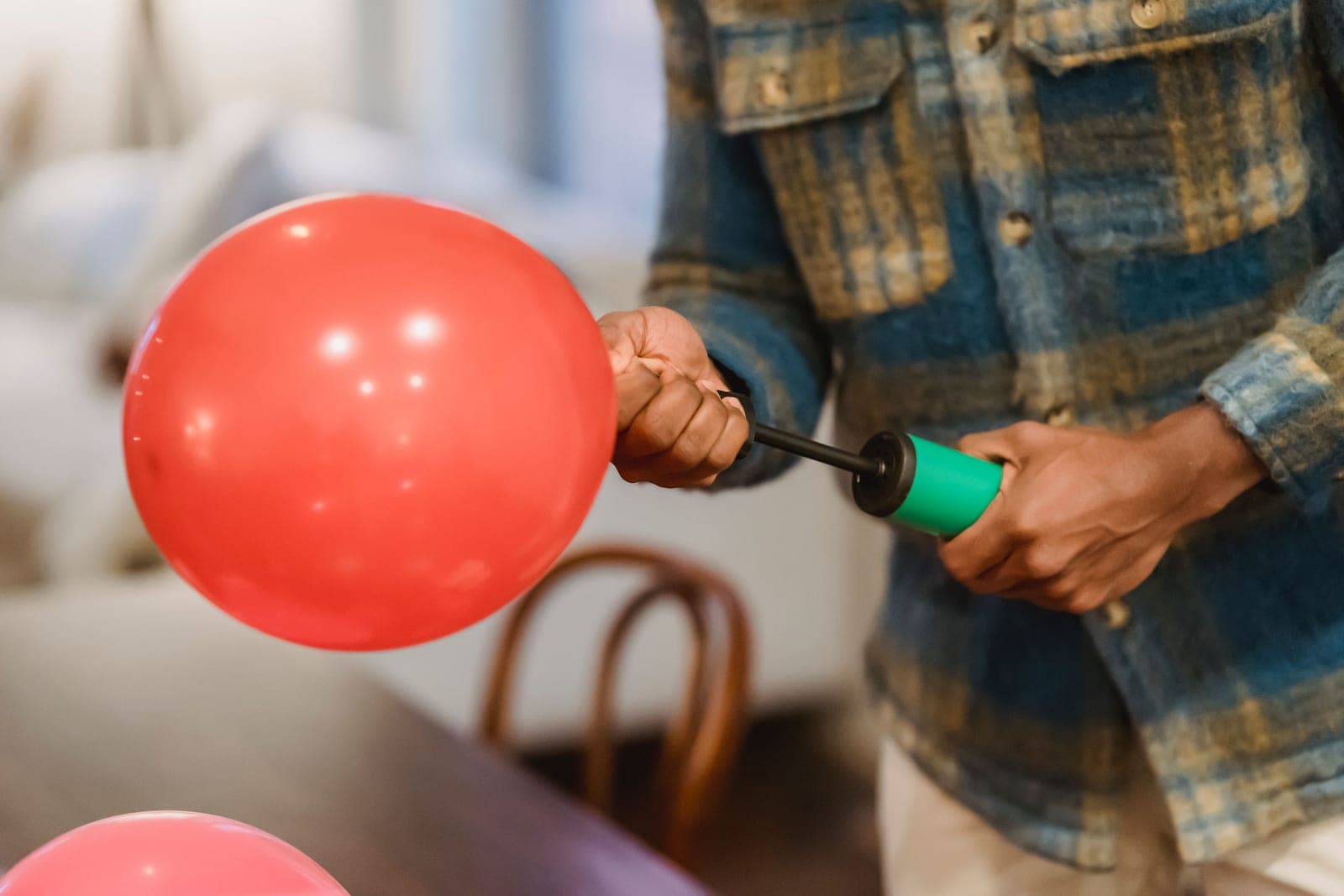
How firm an inflatable should be, why heat changes it, which pump to use for each valve type, and the order to inflate chambers in.
Guide
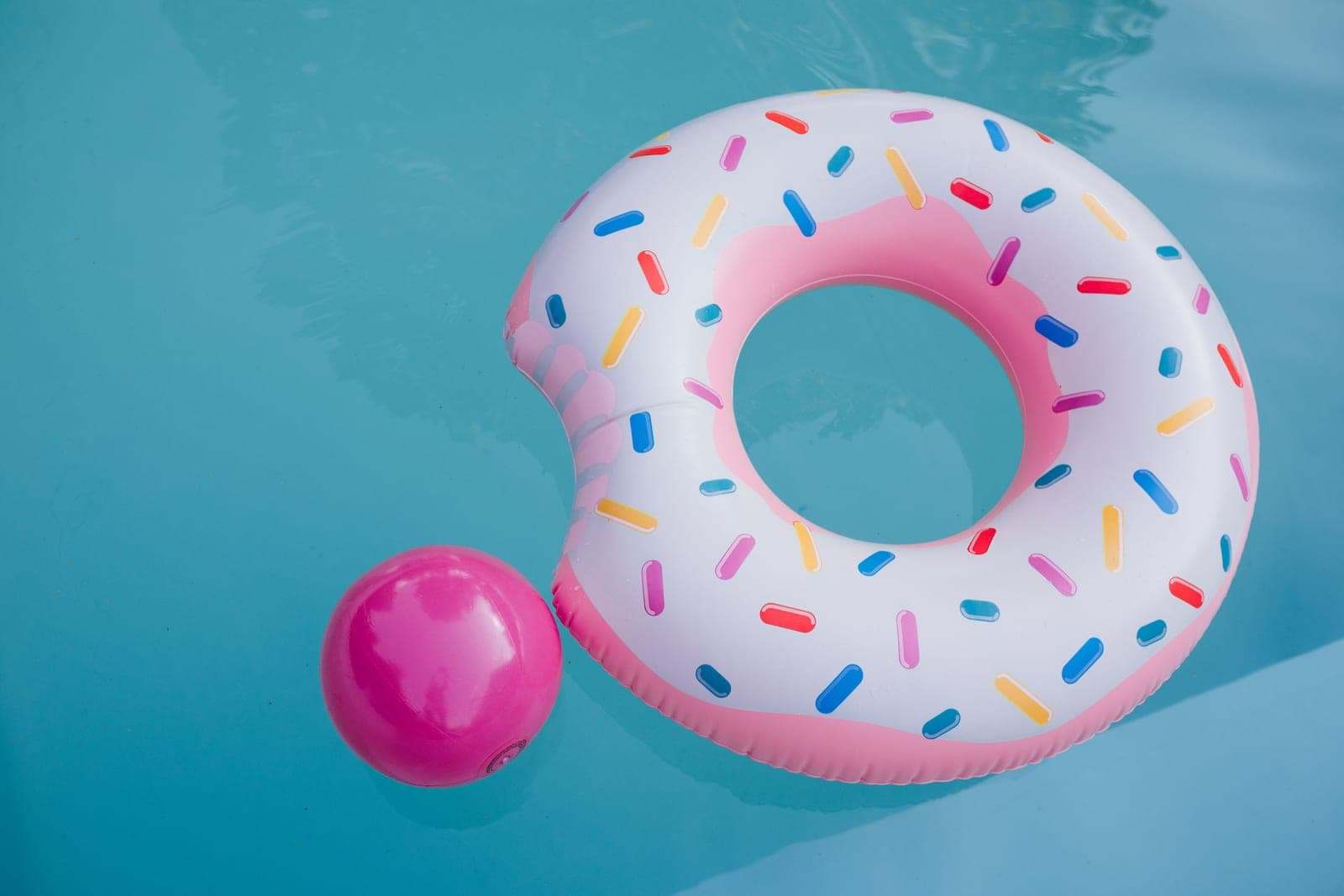
The six recurring buying errors in this category, what to check instead, and the specification that predicts lifespan best.
Head to head
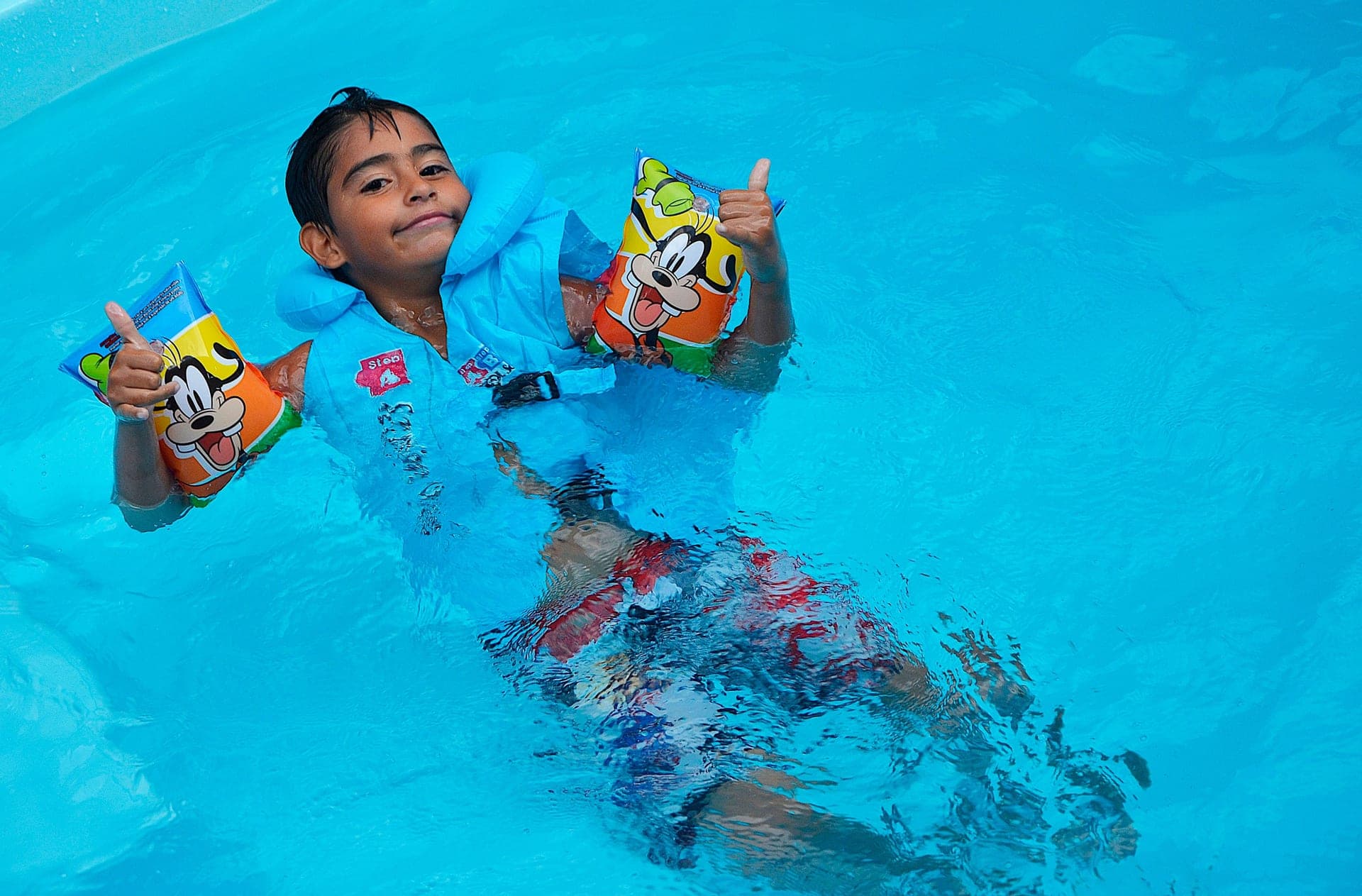
Foam noodles against labeled swim vests for young children: what each is actually designed to do, what to check on the label, and why supervision is the real answer.
Head to head
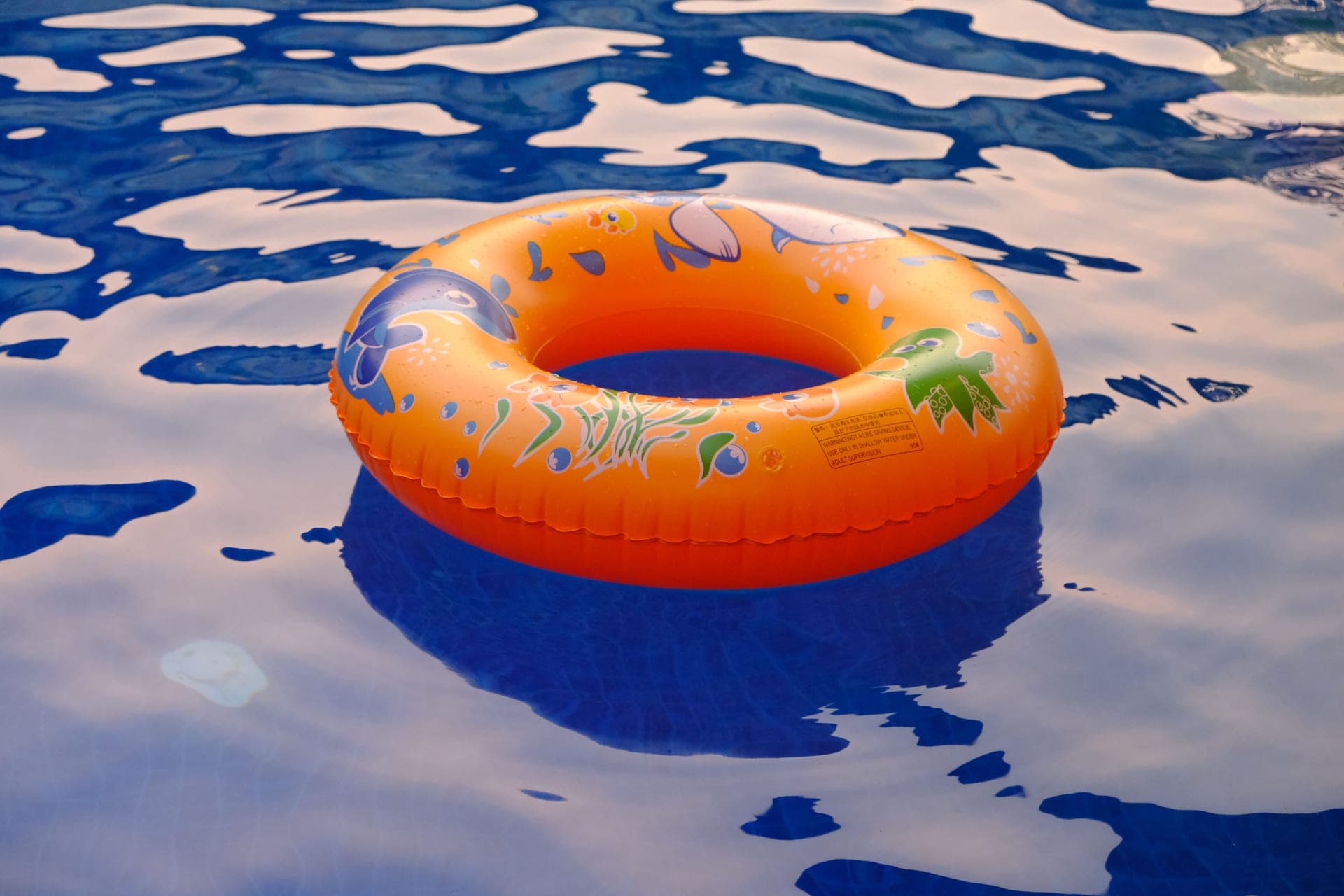
Inflatable vinyl loungers compared with mesh and fabric ones on comfort, failure mode, drying and storage - and which lasts more than one summer.
Head to head
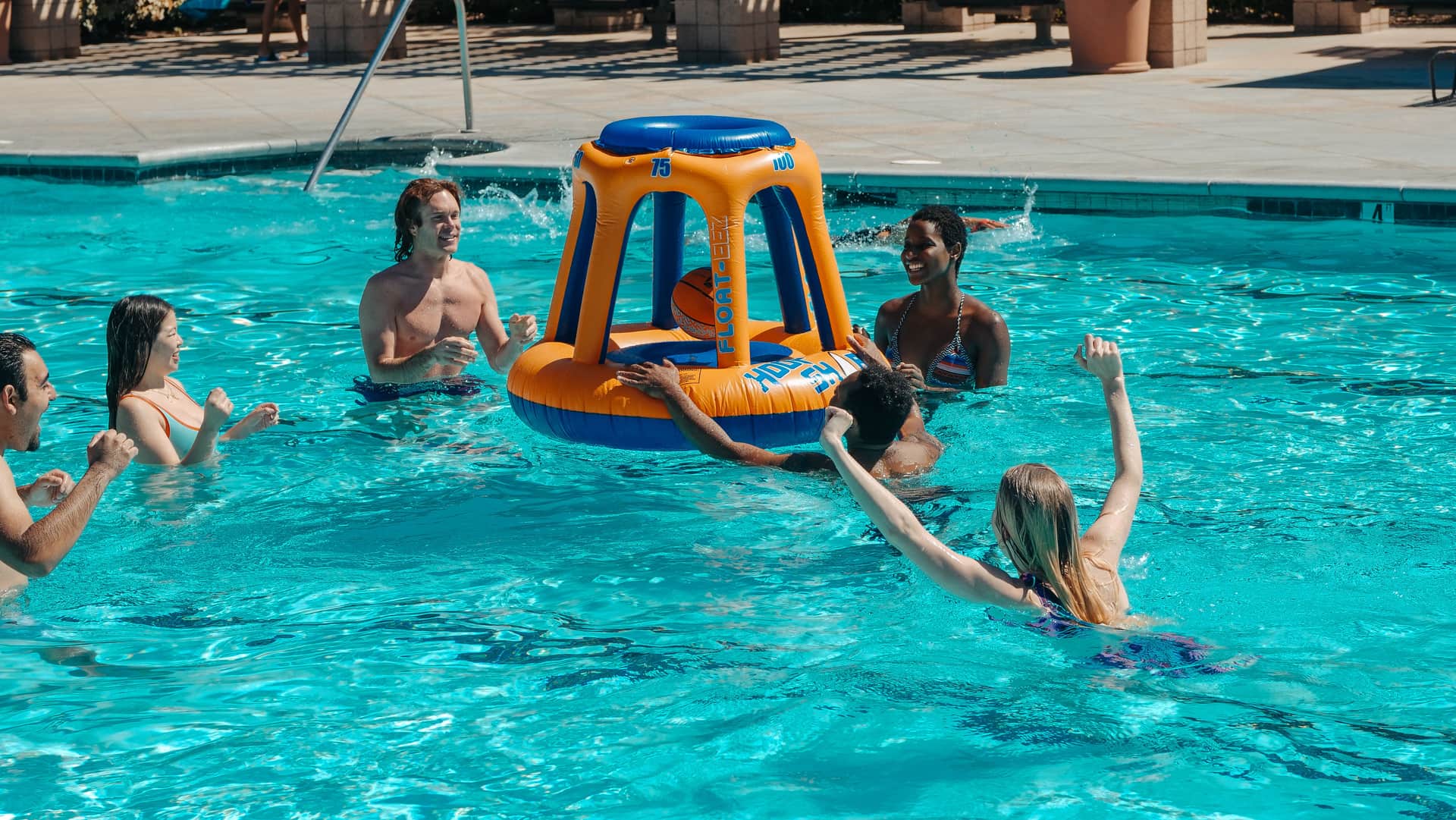
Pool basketball hoops against volleyball nets on the space each needs, how many players they take, mounting and which gets used more in a backyard pool.
Head to head
What a 10x price gap in pool floats actually buys, judged only on what each brand publishes - and the one number none of them will give you.
We have not tested these products. What we do instead is compile published specifications, compute what each option costs to run for a season, and show the arithmetic so you can redo it with your own numbers.