Pool Equipment
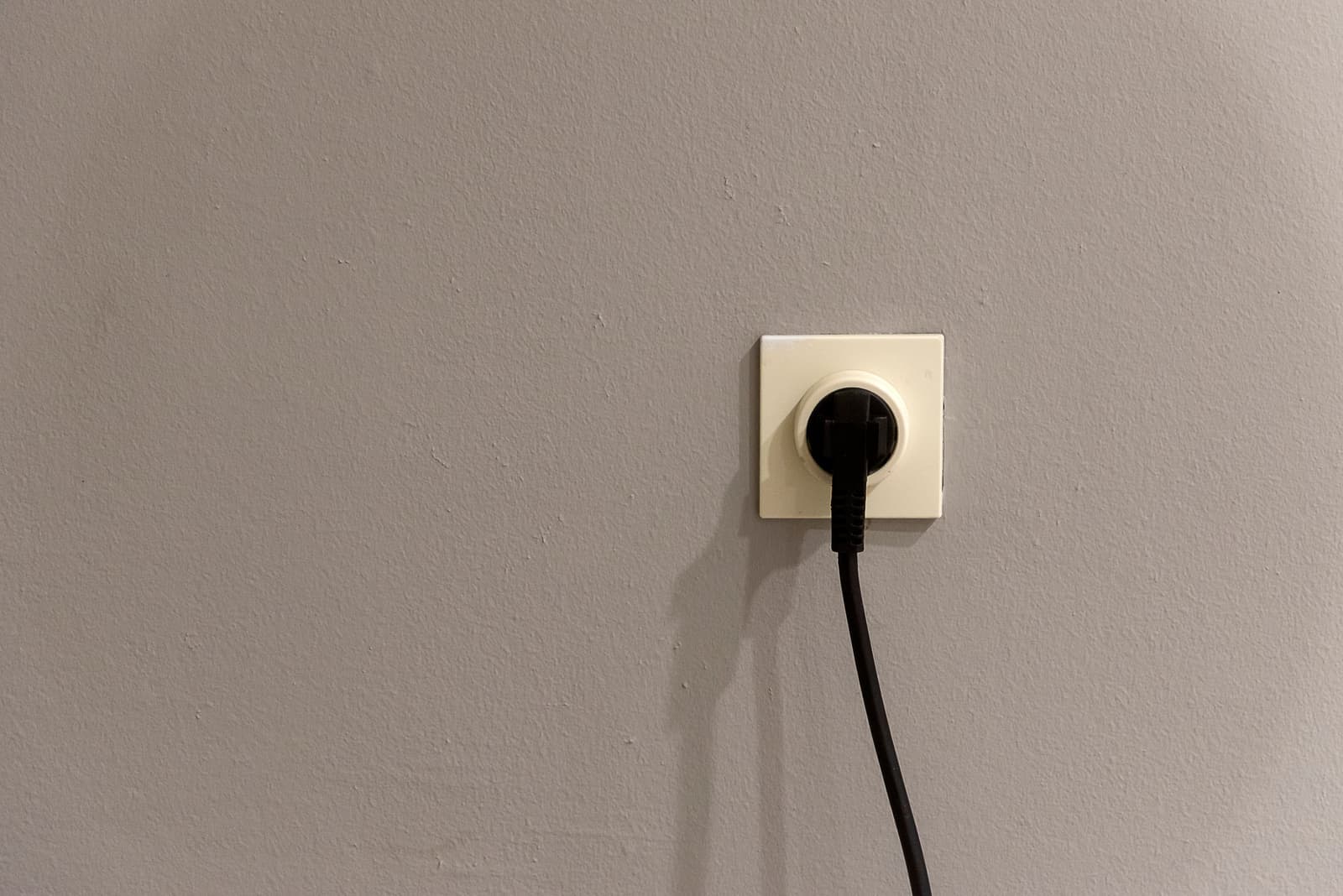
The electrical side, which is the one part of a pool you should not improvise
Everything else in this hub is arithmetic you can check yourself. This is the part where the honest advice is to stop and pay somebody.
Heads up: we earn a commission if you buy through the links on this page, at no extra cost to you. It never decides the ranking — here is how we pick and here is the full disclosure. Prices are checked automatically; last verified October 8, 2026.
The short version
- GFCI protection is the non-negotiable one. Pool equipment is electrical equipment standing in a wet environment, and this is the device that exists for exactly that situation.
- An extension cord is not a substitute for an outlet. It is the most common improvisation around above-ground pools and the one worth designing out.
- A timer must be rated for outdoor use and for the pump’s amperage, and it must sit downstream of the GFCI rather than in place of it.
- Heaters and salt cells frequently need a dedicated circuit. Confirm that before buying, not after delivery.
Why this page is short on numbers
Everywhere else on this site we publish arithmetic and sources so you can check the answer. Electrical requirements around pools are set by national and local codes, they are amended, and they vary by jurisdiction — so a specific clearance distance or circuit specification typed here would be both unverifiable for your situation and potentially dangerous if it were out of date.
What we will do instead is name the decisions, say plainly which of them are homeowner jobs and which are not, and tell you what to ask. The same principle as our permits and rules guide: the useful thing is the question, not an invented answer.
GFCI: the one that matters most
A ground-fault circuit interrupter monitors the current going out and coming back, and cuts power in a fraction of a second if the two do not match — which is what happens when current finds a path it should not, such as through water or a person. Pool equipment is precisely the application this device was created for.
Two practical points that get missed. First, a GFCI is a device with a service life and a test button, and testing it is a job rather than a formality — press the test button at the start of every season and confirm it actually cuts power. Second, nothing you add downstream may defeat it. A timer, an adapter or a splitter that bypasses the protection has removed the protection.
Extension cords, and why manufacturers say no
This is the most common improvisation around an above-ground pool: the outlet is on the house, the pump is by the pool, and a cord bridges the gap. Manufacturers of this equipment generally instruct against it, and the reasons are not bureaucratic.
A cord run introduces voltage drop over distance, which makes a motor work harder and run hotter. The connection between cord and appliance plug sits on wet ground where people walk barefoot. And the cord itself is a trip hazard in exactly the place where somebody is most likely to be moving quickly and not looking down.
The correct answer is an appropriately located, protected outdoor outlet, installed by an electrician. It is not an expensive job relative to the pool, and it is the one piece of pool infrastructure that is genuinely permanent — it will still be right for the next pool.
| Job | Homeowner? | Note |
|---|---|---|
| Testing the GFCI test button | Yes | Do it at the start of every season |
| Plugging the pump into a protected outdoor outlet | Yes | As the manufacturer specifies |
| Fitting a plug-in outdoor timer | Yes, with care | Must be outdoor-rated and match the amperage |
| Installing a new outdoor outlet | No | Electrician |
| Running a dedicated circuit for a heater | No | Electrician, and check before buying |
| Hard-wiring a salt cell or heater | No | Electrician |
| Investigating repeated GFCI tripping | No | Stop and call somebody |
Timers: the cheapest saving, fitted correctly
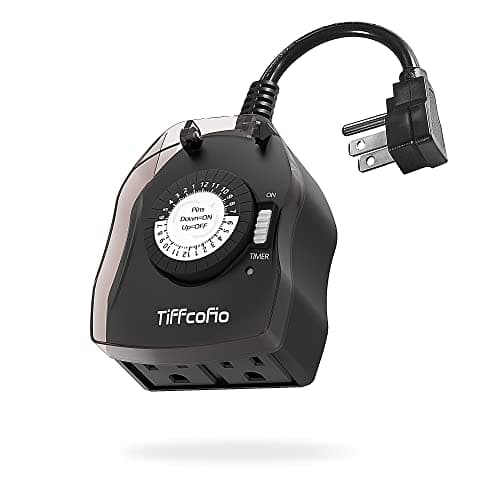
A timer is the highest-return purchase in this hub, because it cuts run time on the pump you already own — and pump electricity is the largest running cost of owning a pool. At the EIA US residential average of 18.34 cents per kWh, cutting two hours a day off a 300 W pump across a 120-day season saves about $13, and considerably more on a larger pump. Our pump electricity guide has the numbers and the run-time guide works out how many hours you actually need from turnover rather than folklore.
Three requirements, all non-negotiable. It must be rated for outdoor use, not an indoor timer in a plastic box. It must be rated for the pump’s amperage — check the pump label, and note that manufacturers in this category publish flow rate far more readily than electrical specification. And it must sit downstream of the GFCI, so the protection still applies to everything beyond it.
Heaters and salt cells: check the circuit before the price
These are the two items in this category most likely to need more than a standard outdoor outlet. Electric pool heaters publish their draw in kilowatts, and a unit of any real capacity frequently requires a dedicated circuit — which is an electrician and a consumer-unit conversation, not a plug.
Establish that requirement against your own supply before you buy, because discovering it afterwards can double the effective price of the appliance. Our heater guide leads with the kW figure for this reason, and extending the season covers the cheaper things to try first. Salt chlorine generators are usually lighter electrically but the same principle applies — see our salt system guide.
The things around the pool, not just in it
Two final items that are easy to overlook. Overhead power lines are a genuine constraint on where a pool can be sited, and the clearance requirement is not something to judge by eye — it belongs in the same phone call as your permit questions.
And portable electrical items near the water — speakers, lights, chargers for a robotic cleaner — want the same discipline as the pump: protected outlets, no cord runs across walking routes, and nothing left plugged in beside the pool overnight. Robotic cleaners charge on the mains and swim in the pool; they do not do both at once.
One device in this category is worth knowing about specifically. Our pool alarm roundup covers subsurface and surface-wave detection, why above-ground units mount at a removed rail section rather than being drilled in, and why an alarm belongs behind a barrier rather than instead of one.
What to buy
Scores are our own reading of published specifications. They are not test results — we have not tested these products and we do not claim to.
Cutting the electricity bill without cutting filtration
Outdoor Pool Pump Timer
Various
A weatherproof outdoor timer is the highest-return equipment purchase on this site. Most people run the pump too long because remembering to switch it off is a chore.
#ad how this is funded · price as of October 8, 2026
Key specs
- Type
- Outdoor-rated mechanical or digital timer
- Required rating
- Must be rated for the pump's amperage and for outdoor use
- Must not defeat
- The pump's GFCI protection
How it scoresour reading of published specs, not a test result
- Sizing fit
- 8.5
- Running cost
- 9.8
- Maintenance
- 9.0
- Build
- 7.5
- Value
- 9.5
Overall 9.0 / 10
What works
- Turns your filtration from a guess into a schedule
- Pays for itself within a single season on most pools
- Lets you shift running hours to off-peak if your utility has time-of-use rates
What doesn't
- Must be genuinely outdoor-rated and correctly amperage-matched, which cheap indoor timers are not
- Never bypass or defeat the pump's GFCI to fit one
- Mechanical timers drift and need resetting after a power cut
Skip it if: Fixing an undersized pump. Running the wrong pump on a schedule just makes the schedule longer.
What it costs to run: The arithmetic that justifies it: at the EIA's June 2026 US residential average of 18.34 cents per kWh, trimming a 400 W pump from 12 hours to 8 hours a day across a 120-day season saves 192 kWh, or about $35. That is more than the timer costs.
Several seasons: Buy-once. Built and warranted to come back out of the box for a few years, if you store it properly.
Specs from: EIA Electric Power Monthly, Table 5.6.A
Pools up to about 6,000 gallons
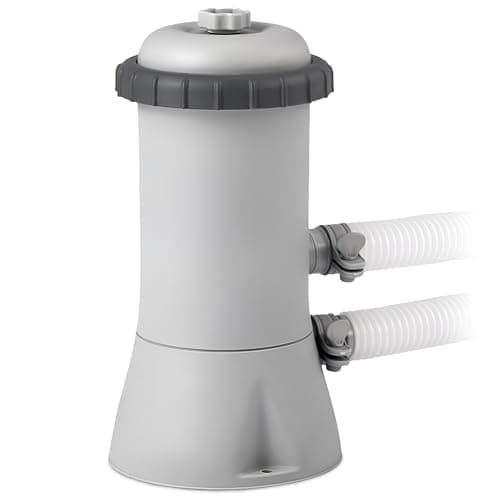
Intex Krystal Clear C1000 Cartridge Filter Pump
Intex
The workhorse replacement pump for mid-size frame pools. 1,000 GPH pump flow, 750 GPH through the system once the cartridge is in the way — and that second number is the one your turnover math needs.
#ad how this is funded · price as of October 8, 2026
Key specs
- Pump flow rate
- 1,000 GPH
- System flow rate
- 750 GPH
- Rated pool size
- Up to 6,000 gallons
- Cartridge
- Type A
- Wattage
- Not published by Intex
How it scoresour reading of published specs, not a test result
- Sizing fit
- 9.0
- Running cost
- 7.0
- Maintenance
- 7.5
- Build
- 7.5
- Value
- 8.5
Overall 8.3 / 10
What works
- Intex publishes both pump flow and system flow, which is more honesty than most of this category offers
- Type A cartridges are the most widely stocked filter consumable in the US
- Sized correctly for the 12ft-15ft frame pools most families own
What doesn't
- Wattage is not published anywhere on the Intex site, so you cannot cost it before purchase
- Cartridge-only, so there is a consumable every few weeks in a busy pool
- GFCI cord length dictates where the pool can go more than people expect
Skip it if: Pools over about 6,000 gallons. Above that you are asking it to run all day to achieve one turnover, which is the expensive way to filter.
What it costs to run: Do the turnover math before you buy: 750 GPH system flow moves 4,000 gallons in 5.3 hours. Two turnovers a day is therefore about 11 hours of running. At the EIA's June 2026 US residential average of 18.34 cents per kWh, every 100 watts of pump draw running 11 hours a day for a 120-day season costs about $24. Find your wattage on the pump label and multiply.
Several seasons: Buy-once. Built and warranted to come back out of the box for a few years, if you store it properly.
Specs from: Intex — Krystal Clear cartridge filter pumps, EIA Electric Power Monthly, Table 5.6.A — US residential average price
Extending the season, at a price
Electric Above-Ground Pool Heater
Various
It works, and it will be the largest line on your pool electricity bill by a distance. Buy it knowing the running cost, not the purchase price.
Key specs
- Power draw
- Published in kW — this is the number that matters, not the price
- Circuit requirement
- Frequently needs a dedicated circuit — check before buying
- Rated pool size
- Published per model
How it scoresour reading of published specs, not a test result
- Sizing fit
- 7.0
- Running cost
- 2.5
- Maintenance
- 7.0
- Build
- 7.0
- Value
- 5.0
Overall 6.0 / 10
What works
- Genuinely extends a swim season by weeks at each end
- Electric units are simpler to install than gas and need no fuel supply
- Manufacturers do publish kW draw, unlike pump makers
What doesn't
- The running cost dwarfs every other item on this site
- Often needs electrical work, which is a cost nobody quotes you up front
- Almost pointless without a solar cover to hold the heat you paid for
Skip it if: An uncovered pool. Heating water and then letting it evaporate overnight is the most expensive thing you can do with a pool.
What it costs to run: Do this arithmetic first. A 3 kW heater running 6 hours a day for 30 days is 540 kWh; at the EIA's June 2026 US residential average of 18.34 cents per kWh that is about $99 for one month. Compare that to the cost of a solar cover, which is a one-time purchase, before you decide.
More than you need yet: Real capability a first-pool family cannot use yet. Buy cheaper and put the difference toward chemicals and a cover.
Specs from: EIA Electric Power Monthly, Table 5.6.A
Owners who dislike handling chemicals
Above-Ground Saltwater Chlorine Generator
Various
It makes chlorine from salt rather than replacing chlorine. Whether the hardware pays for itself over a seasonal pool's life is genuinely arguable, and it usually depends on how many seasons you will own it.
Key specs
- What it does
- Electrolyzes dissolved salt into chlorine
- Still a chlorine pool
- Yes — the sanitizer is identical
- Cell life
- Published in hours; the cell is a replaceable consumable
- Salt required
- Published per model, added once per season
How it scoresour reading of published specs, not a test result
- Sizing fit
- 7.0
- Running cost
- 6.0
- Maintenance
- 8.0
- Build
- 7.0
- Value
- 6.5
Overall 6.9 / 10
What works
- No weekly handling or storage of chlorine tablets
- Water feels noticeably softer to most people, which is the real reason people like them
- Salt is added once and stays until the water is changed
What doesn't
- The cell is a consumable and replacing it is a significant cost
- Adds another powered device to a pool whose running cost is already dominated by power
- Salt is corrosive to some metal frames and fittings if not managed
Skip it if: A pool that gets drained every autumn. You lose the salt with the water each year, and the payback period never arrives.
What it costs to run: The honest comparison is cell replacement cost plus salt plus power, against a season of tablets. On a pool kept up for several years it can work out; on a pool drained every October it generally does not.
More than you need yet: Real capability a first-pool family cannot use yet. Buy cheaper and put the difference toward chemicals and a cover.
Large above-ground pools and people who will not vacuum
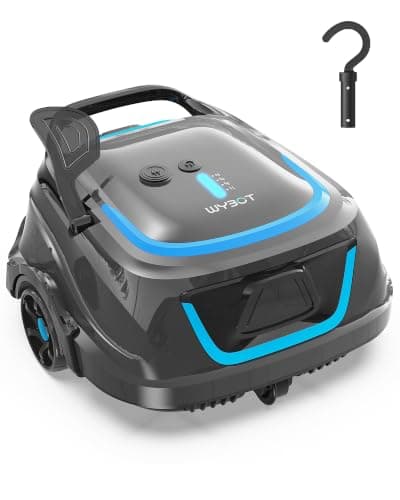
Cordless Robotic Pool Cleaner
Various
Genuinely good at the job and genuinely expensive relative to the pool. For a 1,700-gallon frame pool it costs a meaningful fraction of the pool itself, which is difficult to justify.
#ad how this is funded · price as of October 8, 2026
Key specs
- Power
- Onboard rechargeable battery
- Coverage
- Floor only on most above-ground models
- Runtime
- Published per model
- Filtration
- Onboard basket, independent of the pool's filter
How it scoresour reading of published specs, not a test result
- Sizing fit
- 6.5
- Running cost
- 8.0
- Maintenance
- 7.0
- Build
- 7.5
- Value
- 6.0
Overall 7.1 / 10
What works
- Filters independently of the pool pump, so it adds turnover rather than replacing it
- Genuinely hands-off once it is in the water
- Onboard basket means it does not load your cartridge
What doesn't
- Expensive relative to the price of most above-ground pools
- Batteries degrade and are frequently not user-replaceable
- Most models handle the floor but not the walls of a soft-side pool
Skip it if: Small pools. If your pool cost less than three of these, the money is better spent on a cover and a timer.
What it costs to run: The honest comparison: a manual vacuum head plus a pump timer costs a fraction of this and delivers most of the benefit. A robot earns its place on a large pool owned by someone who genuinely will not vacuum otherwise.
More than you need yet: Real capability a first-pool family cannot use yet. Buy cheaper and put the difference toward chemicals and a cover.
Questions people actually ask
Does a pool pump need to be on a GFCI?
Can I run a pool pump on an extension cord?
What kind of timer do I need for a pool pump?
Does an electric pool heater need its own circuit?
Sources
Read next
- Equipment, sized to your pool and costed by the wattPumps, filters, vacuums, heaters and ladders - matched to your gallons and priced by what they draw.
- How long to run the pump, worked out rather than repeatedRun time derived from your own turnover time, when in the day to run it, and what each hour a day costs across a season.
- Pool pump problems, diagnosed in the cheapest orderThe five-check diagnostic sequence for an above-ground pool pump, from free fixes to the point at which it is genuinely the motor.
- Pool heaters, priced by the wattHeater running costs computed at national average rates, and why a cover has to come first for a heater to make any sense.
- Salt systems for an above-ground poolHow a chlorine generator works, what the cell costs over time, and why draining the pool each autumn changes the answer entirely.
- Permits, fences and the calls to make before you buyThe questions that decide whether you need a permit or a barrier, who to ask, and the safety layers that apply regardless of what the rules say.
- What your pool pump costs to run, in watts and dollarsPool pump electricity computed from watts, hours and the EIA national average rate, with a table you can read your own pump off.