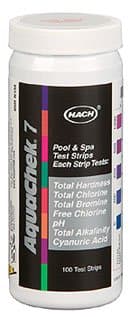
Best Test Strips
The best pool test strips
Test strips compared on parameter coverage - specifically whether they read cyanuric acid, which most cheap strips omit.
Our top pick: AquaChek Silver 7-Way Test Strips (100 count)
Pool Care & Chemistry
Cloudy water in week three is the near-universal first-pool experience. It is fixable, it is cheap, and it is mostly one thing.
Each of these carries its top pick’s live price and a buy link right here, so you do not have to click three pages deep to find one.
Best Test Strips
Test strips compared on parameter coverage - specifically whether they read cyanuric acid, which most cheap strips omit.
Our top pick: AquaChek Silver 7-Way Test Strips (100 count)
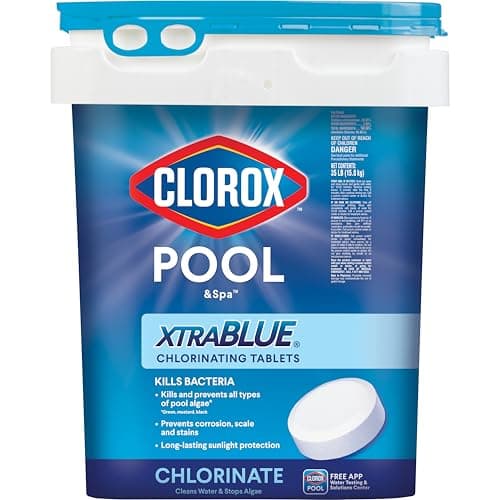
Best Chlorine Tablets
Trichlor tablets compared on available chlorine and stabilizer load, with the season-quantity arithmetic for your pool size.
Our top pick: Clorox Pool&Spa 3-Inch Chlorinating Tablets
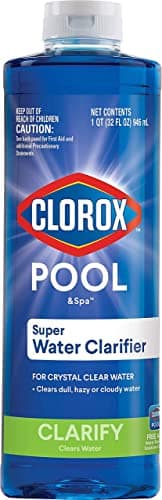
Best Clarifier
Clarifier, algaecide and shock compared for cloudy water, with the diagnostic that tells you which one your pool actually needs.
Our top pick: Pool Water Clarifier
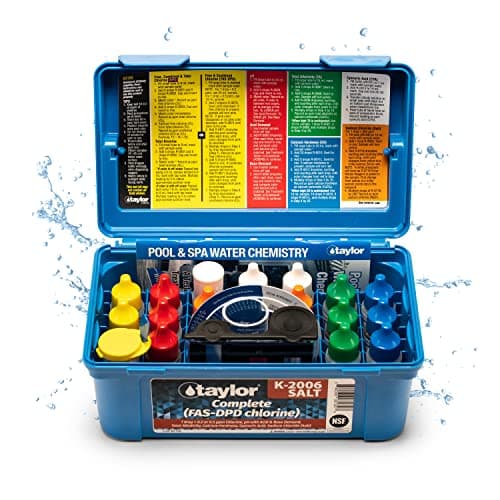
Reagent kits and digital testers compared against strips, with the specific situations where each one earns its place.
Our top pick: Taylor K-2006 Complete Test Kit (FAS-DPD)
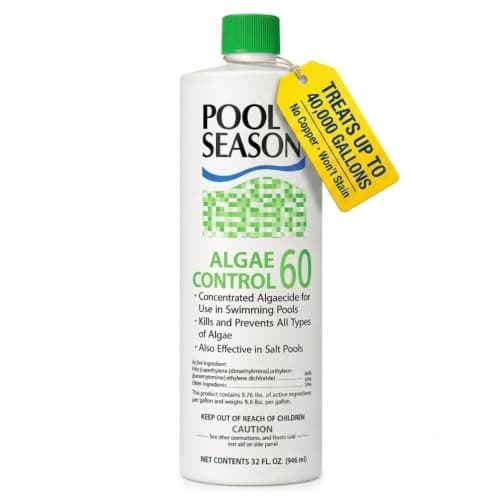
The three algaecide chemistries compared for a vinyl above-ground pool, and the sequence that actually clears a bloom.
Our top pick: Pool Algaecide (polyquat 60)
Sodium bicarbonate, soda ash and dry acid compared - what each moves, by how much, and the sequence that makes corrections hold.
Our top pick: Alkalinity Increaser (sodium bicarbonate)
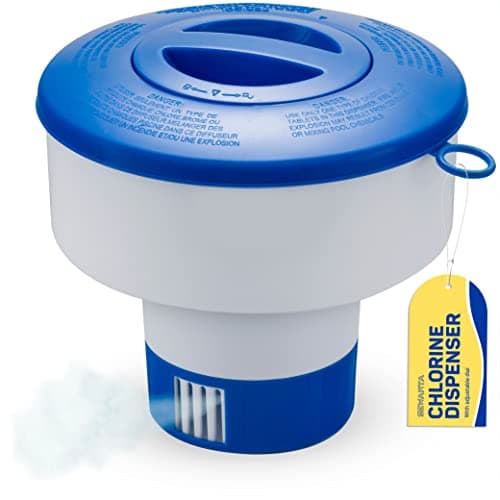
What to look for in a floating chlorine dispenser, why loose tablets damage liners, and the tablet arithmetic by pool size.
Our top pick: Floating Chlorine Tablet Dispenser

How to tell a metal stain from an organic one, which product each needs, and why a sequestrant is what stops the next one.
Our top pick: Pool Stain Remover (Citric Acid)
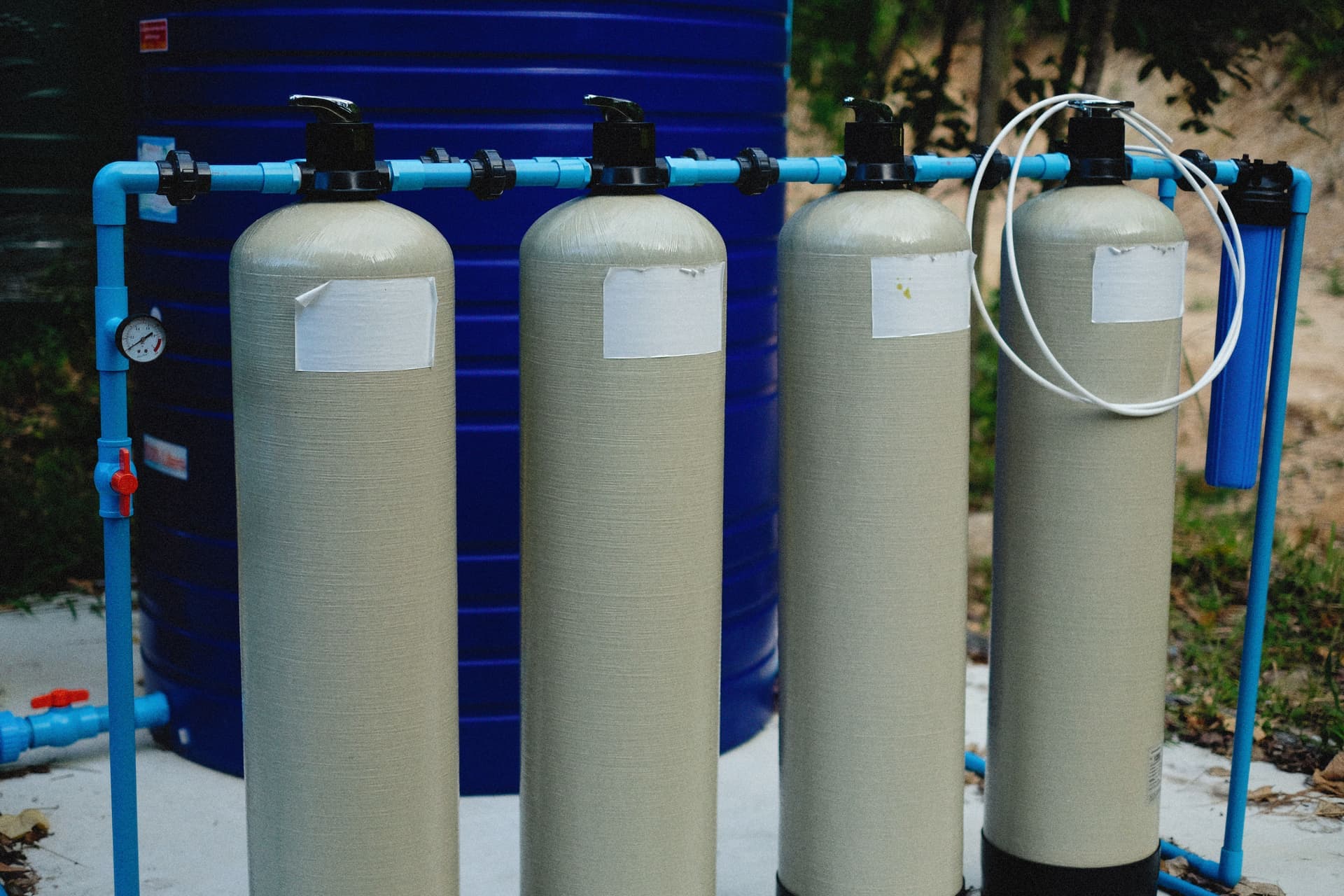
Garden hose pre-filters for pool filling — what the resin removes, how capacity ratings work, and who genuinely needs one.
Our top pick: Garden Hose Pre-Filter (Iron and Metals)
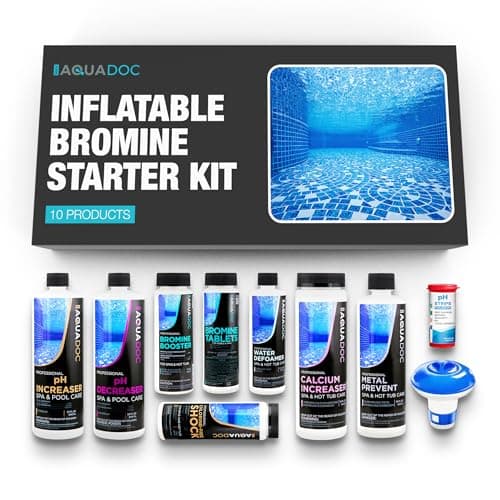
Bromine against chlorine for an inflatable hot tub, what a starter kit actually contains, and why the testing cadence is the thing that changes.
Our top pick: Inflatable Hot Tub Chemical Kit
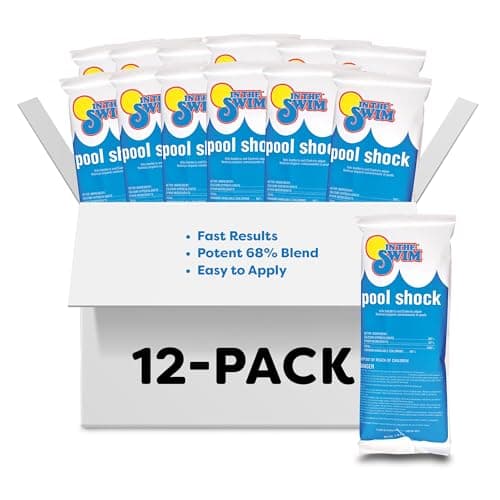
Cal-hypo and dichlor shock compared on available chlorine, what each adds to the water for good, published doses and how long before you can swim.
Our top pick: In The Swim Pool Shock, 68% Cal-Hypo, 12 x 1 lb
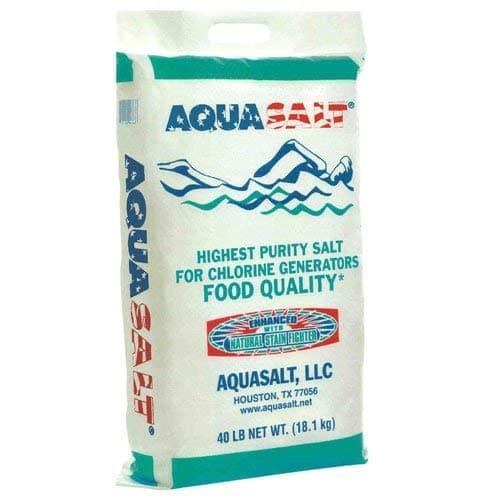
Pool salts compared on published purity, additive-free status, production method and how far one bag moves your salinity - with the targets three generator makers publish.
Our top pick: AQUASALT Pool and Spa Chlorine Generator Salt, 40 lb
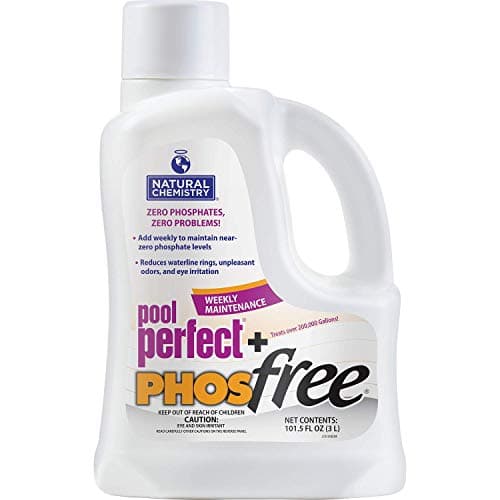
Enzyme treatments ranked on whether the maker publishes a dose per gallon, what each claims about phosphates, and the prerequisites they state themselves.
Our top pick: Natural Chemistry Pool Perfect + PHOSfree, 3 Liter
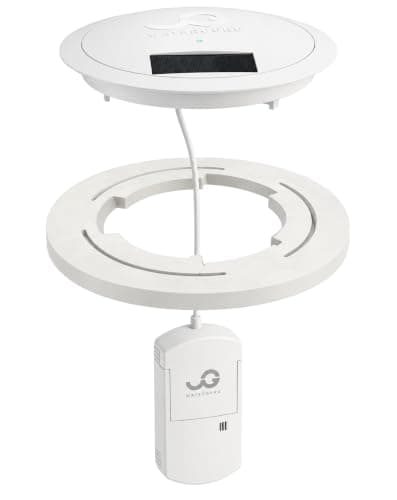
Continuous pool water monitors ranked on consumable cost and above-ground fit, with every published figure sourced and every gap marked.
Our top pick: WaterGuru Sense 3 Smart Monitor Bundle with Float Ring
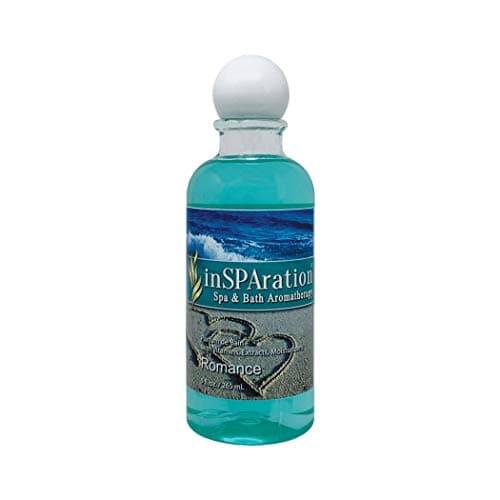
Best Spa Fragrance
Spa fragrance products judged on the oil-free claim and whether a dose per gallon is published - with the brand contradiction and the volume trap both stated.
Our top pick: InSPAration 106X Spa and Bath Aromatherapy Liquid, 9 oz
Pool chemistry sounds like a subject. It is closer to a checklist. For a seasonal above-ground pool you are managing four readings, and a test strip gives you all of them in fifteen seconds.
Free chlorine is the sanitizer actually available to kill things, and the U.S. Centers for Disease Control publishes a minimum of 1 ppm for pools. pH is how acidic or basic the water is; the CDC’s published range is 7.2 to 7.8, and outside it chlorine either stops working or starts stinging eyes. Total alkalinity — how strongly the water resists pH swings — is the one beginners ignore and then fight all summer, because when alkalinity is low the pH will not stay where you put it. Cyanuric acid is chlorine’s sunscreen: some is essential outdoors, too much and your chlorine stops responding.
Get alkalinity right first, then pH, then chlorine. Doing it in the other order is why people find themselves adding chemicals every day and getting nowhere. The full walkthrough is in pH and alkalinity, and test strips covers what to measure with. If the problem runs the other way — water that keeps hazing over while pH climbs back after every correction — high alkalinity and cloudy water is the page for that, and it starts by checking whether yours is genuinely high.
Ten minutes, twice a week, plus the pump running on a timer. Skim the surface before debris sinks, because floating leaves are easy and sunken leaves are not. Test the water. Add chlorine to hold the level rather than to rescue it. Brush the walls where the water line sits. Rinse or backwash the filter when the flow visibly drops.
And run the pump long enough. Filtration is time, not power: guidance for a full turnover on a seasonal pool is typically eight to twelve hours a day in the heat of summer. That is a real commitment and a real electricity bill, which is why we price it in the cost-to-run guide rather than pretending it is free.
Nearly every first-time owner gets a cloudy pool in the first month, and it is worth saying plainly that this is normal rather than a sign you have failed. Cloudiness has four usual causes and they are distinguishable: not enough free chlorine, pH drifted out of range, the filter is blocked or not running long enough, or early algae. Our cloudy water page is built as a decision tree rather than a list, because the fix depends entirely on which of the four you have.
If the water has gone green rather than milky, that is algae, and it is a different job with a different sequence — brush, shock, filter, and only then rebalance. Shock is the tool for both, and using it correctly mostly means using enough of it, once, rather than a little every day.
For a seasonal above-ground pool, stabilized chlorine tablets in a floating dispenser is the default for a reason: it is cheap, it is forgiving, and it meters itself out slowly. Chlorine tablets covers what to look for, including the cyanuric acid question that catches people in a small pool that is never fully drained.
Salt systems come up constantly and are widely misunderstood — a saltwater pool is still a chlorine pool, it just generates the chlorine on site instead of you carrying it. Whether that is worth the hardware on a seasonal pool is genuinely arguable, and salt versus chlorine argues both sides with the numbers attached.
If you have never done any of this, start at the first-time owner guide, which is the shopping list and the first-month calendar in one place, then the beginner’s routine for the habit that keeps it clear.
This deserves its own section because it is the one failure mode that is genuinely confusing rather than merely annoying, and cheap test strips do not even measure it.
Every trichlor tablet you drop in the dispenser carries cyanuric acid. Outdoors that is essential — without it, ultraviolet light destroys your free chlorine within hours. But unlike chlorine, cyanuric acid is not consumed. It accumulates, and it only leaves the pool when the water does. Past a certain concentration your free chlorine reading looks perfectly healthy while the chlorine itself cannot actually do anything, which is exactly the point at which people conclude that pool chemistry is impossible.
Small pools hit this faster, because there is less water to dilute it into. If you top up rather than drain, plan on a partial drain and refill at some point — there is no chemical that removes it. Read the level every few weeks on a seven-way strip, which is the entire reason we tell people not to economize on a five-way one.
The chemical aisle is large and most of it is not for a seasonal above-ground pool. You can skip metal sequestrants, enzyme treatments, phosphate removers and weekly scheduled shocking — all of which solve real problems that most seasonal pools do not have, and the last of which quietly creates the cyanuric acid problem above. What you cannot skip is running the pump long enough. Everything else here is recoverable if you miss a week; under-filtered water in summer heat goes from fine to unusable in about ten days.
Testing first: our test kit roundup covers strips against liquid reagent kits and which readings each one can be trusted for. Then delivery — a floating chlorine dispenser is what turns tablets into a steady dose rather than a spike. Then correction, where pH and alkalinity balancers matter far more than most people expect, because doing them in the wrong order means doing them twice. And finally insurance: an algaecide, which is a preventative you keep in the shed rather than a rescue you buy in a panic.
One problem sits outside that routine and gets treated with the wrong product more often than any other: staining on the liner. Metal stains and organic stains look similar and respond to opposite chemistry, and there is a free thirty-second test that tells you which one you have. Our stain remover roundup starts with the test rather than the shelf.
Two situations fall outside the standard routine entirely. If you fill from a well, a hose pre-filter takes the iron out before it can ever stain the liner — the only product on this site that prevents a problem rather than treating one. And if you own a spa as well as a pool, hot tub chemistry is a genuinely different discipline: a few hundred gallons at 102 degrees swings faster than anything in this hub.
Six newer pages fill in the gaps around those routines. Which shock to buy turns on what else it adds — calcium or stabilizer — and pool salt is a purity specification rather than a brand. When the water will not clear, floc or clarifier is decided by whether your filter can vacuum to waste at all. Borates hold pH still in a pool that keeps climbing; filling from a well is where liner stains come from; and draining a pool covers the two readings that only dilution will fix, and why a vinyl pool should never be emptied.
Three newer pages deal with testing and the weeks you are not here. Strips, drops or digital explains which method gives you a number and which gives you a color band — and that most digital testers do not measure chlorine at all. A week away is a setup problem rather than a chemistry one, and hard fill water changes which shock you should be buying.
Three pages answer questions the rest of this hub assumes you already know. Evaporation or a leak settles a dropping water level with a bucket and two pen marks, using published evaporation rates that run from a fifth of an inch a day in still air to over an inch at 10 mph. How long before you can swim is the one where every article answers in hours and every EPA label answers in parts per million — the label is the rule. And pool enzymes handle the oils and waterline rings chlorine is bad at, ranked on which makers actually publish a dose rate you can price a season from.
Two more pages, both about the gap between tests. Smart pool monitors are ranked on the thing the listings leave out — cassettes at about $20 every one to two months against a sensor swapped every two years — plus the 8-to-9-inch skimmer requirement that rules the best-known one out of most above-ground pools. And how often to change hot tub water is arithmetic rather than opinion: gallons divided by bathers divided by three, which on a 200-gallon inflatable tub lands at about two weeks.
And one page about the number almost every spa owner gets wrong. Hot tub rash is caused by a named organism rather than by chlorine or by the heat, and the CDC publishes a hot tub sanitizer range that is higher than the pool one quoted everywhere else on this site: at least 3 ppm chlorine, or 4 to 8 ppm bromine. The top of the pool range is the bottom of the spa range, which is where the problem usually starts. The page also explains why non-chlorine shock does not prevent it.
One more, for the tub rather than the pool. Hot tub aromatherapy looks like the softest subject on this hub and turns on two hard specifications: whether a product is oil-free, and whether its dose is published per gallon so you can scale it. One brand publishes the clearest oil-free wording in the category and no gallon basis at all. The other publishes a rate of one ounce per hundred gallons — then works its own example against a four-hundred-gallon spa, which is about twice what a four-person inflatable holds. Intex, meanwhile, does not publish a water capacity for any PureSpa model, so the number you are supposed to divide by is not published by the maker of the tub.
Guide
The pillar guide: day-one shopping list, the four water readings, the weekly routine and the week-three problem everybody gets.
Guide
The complete weekly routine in order, what each step is actually for, and the things you can safely ignore.
Guide
A diagnostic decision tree for cloudy water - four causes, how to tell them apart, and the correct fix for each.
Guide
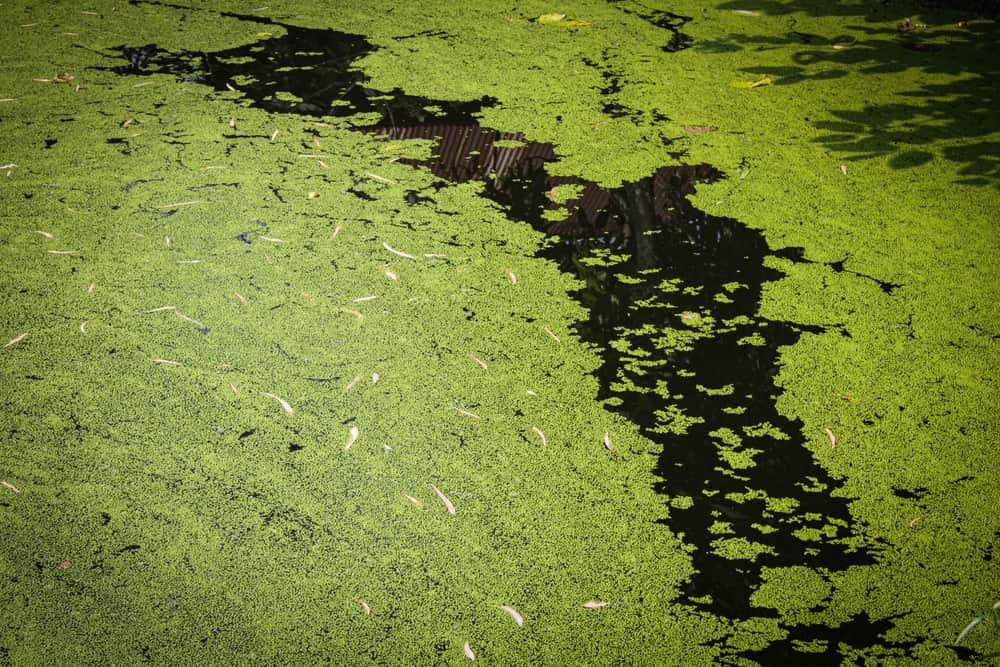
The correct order for clearing green water, how to tell algae from pollen, and why algaecide prevents rather than cures.
Guide
Why pH drifts, what total alkalinity actually does, and the order of operations that turns a season of chasing into one adjustment.
Guide
Cal-hypo versus dichlor, correct dosing, and the counter-intuitive reason a chlorine smell means you need more chlorine.
Head to head
What a salt chlorine generator actually does, the honest cost comparison over several seasons, and when it does not make sense.
Guide
Why an outdoor pool needs stabilizer, why tablets add it whether you want them to or not, and the only way to bring it back down.
Guide
The daily, weekly and monthly jobs written as a schedule, with the kit each one needs and roughly how long it takes.
Guide
What the chlorine smell actually is, why it means the opposite of what people assume, and the test that distinguishes free from combined chlorine.

Guide
Organic or metal? The five-minute test that identifies a liner stain, plus what removes each kind and what prevents both.

Guide
Why the fourth reading matters less on a vinyl above-ground pool, the two cases where it genuinely does, and how to test it.
Guide
What each common pool insect indicates about your water, why insecticide is the wrong tool, and the routine that removes the reason they came.

Guide
Why rain wrecks pool chemistry three ways at once, and the recovery sequence that gets the water back in a day rather than a week.

Guide
What phosphates do, why an adequately chlorinated pool does not care, and the narrow set of cases where a remover earns its money.
Guide
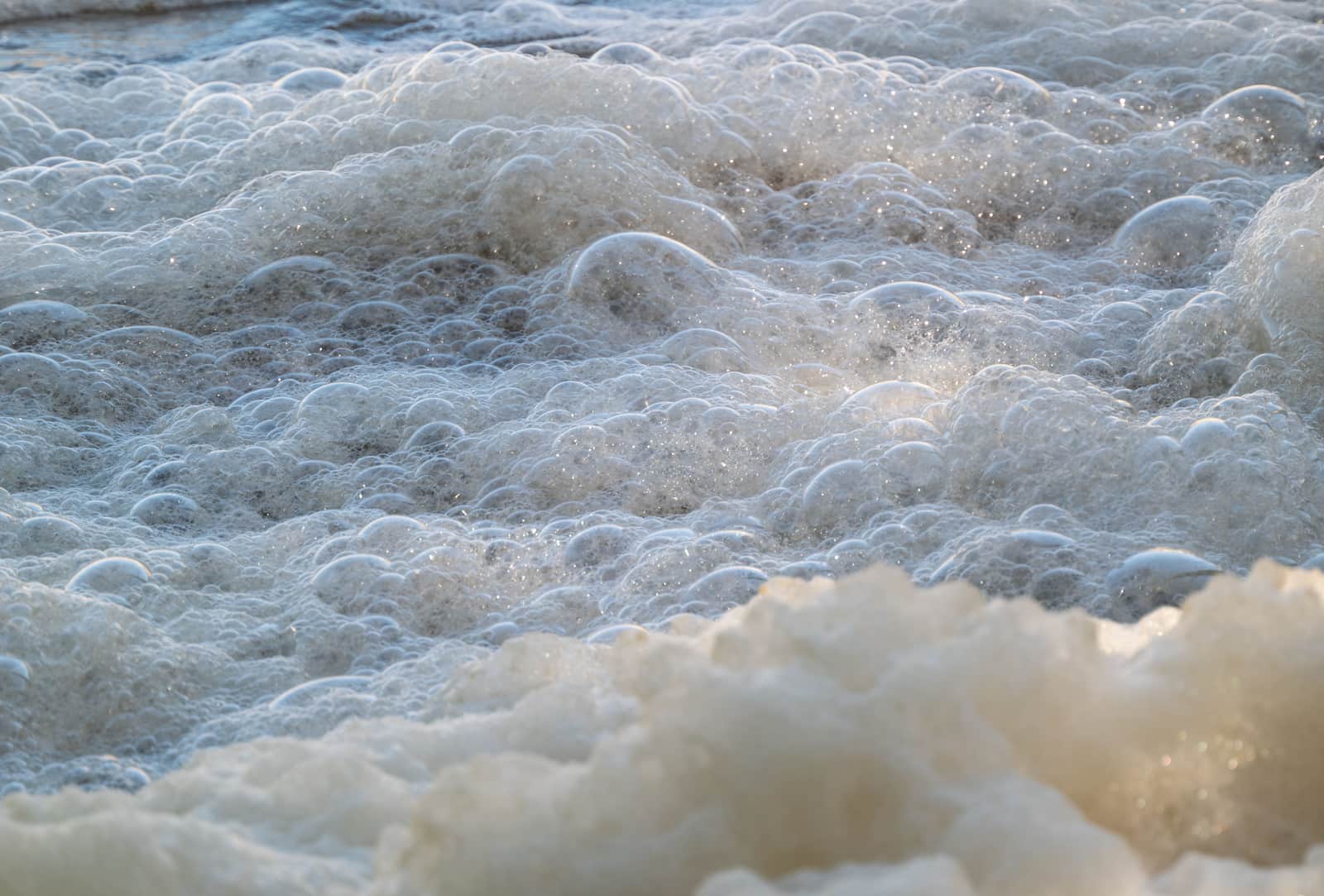
The four things that make a pool foam, how to tell them apart, and why anti-foam products hide the cause rather than fixing it.
Head to head
Why bromine works in a covered hot tub and struggles in an open pool, what it costs, and when it is still the right answer.
Head to head
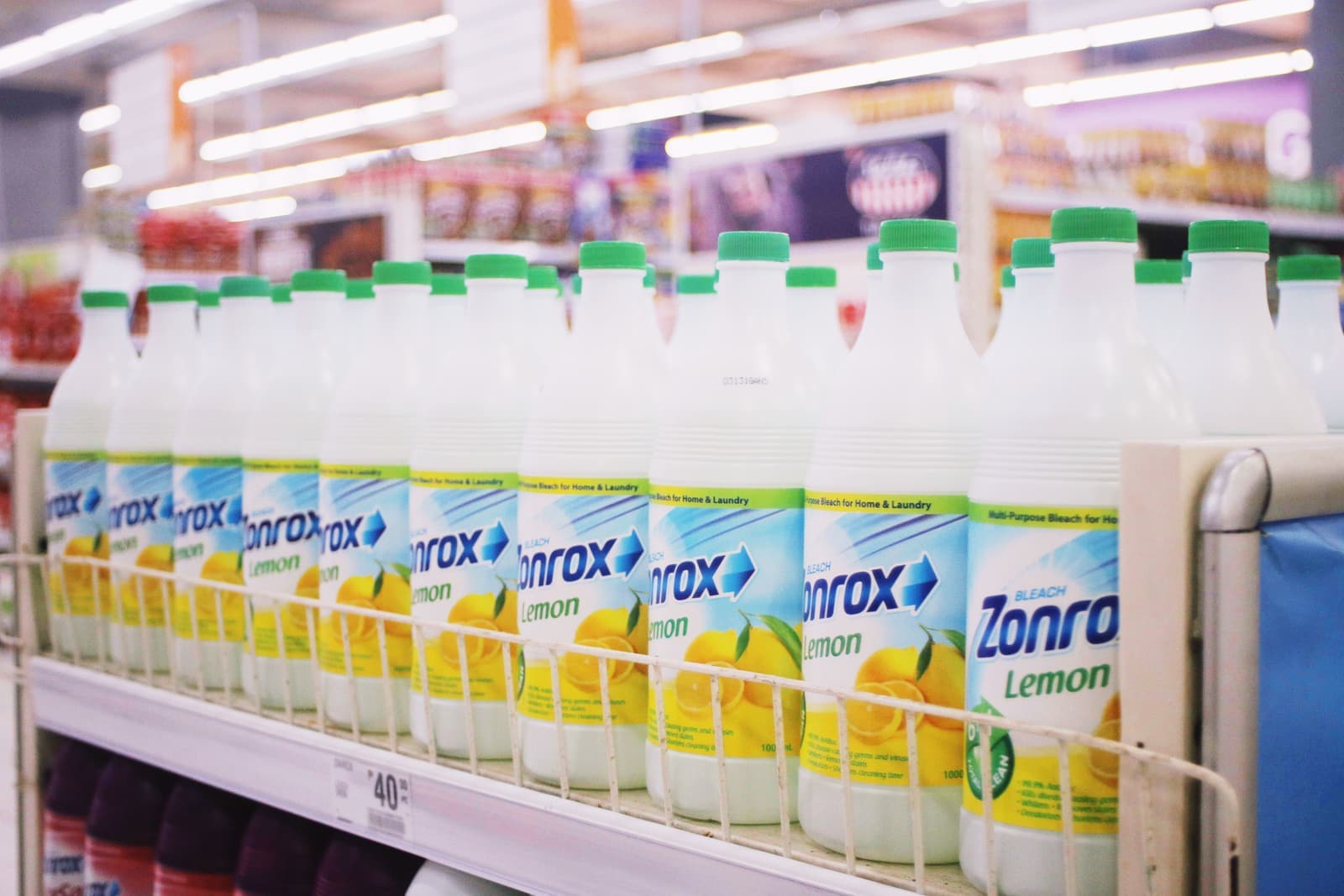
Trichlor tablets against liquid chlorine on stabilizer, convenience, storage and cost, for a seasonal above-ground pool.

Guide
Why gallons per swimmer is the number that matters, what a busy afternoon costs you in chlorine, and the routine that absorbs it.
Guide
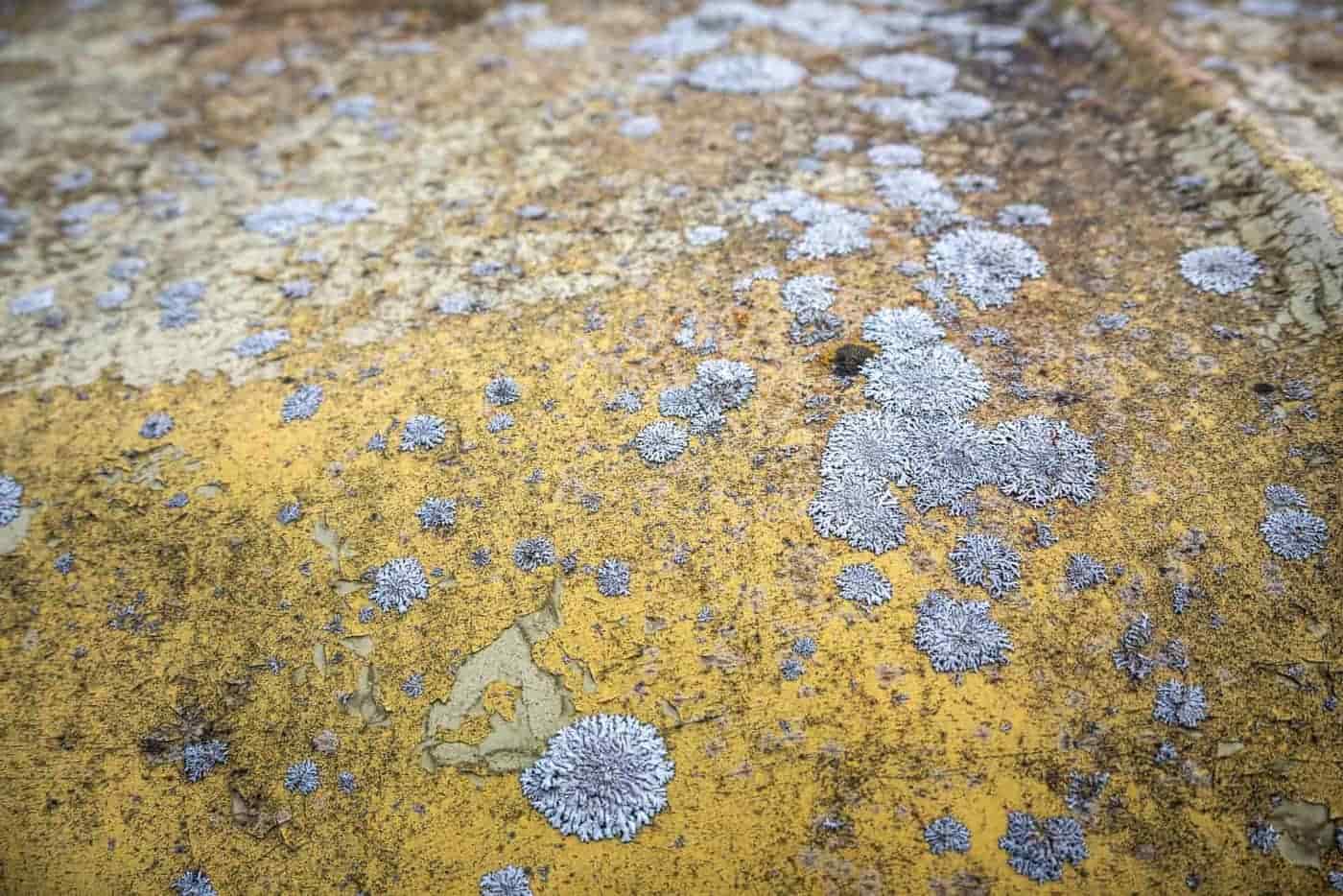
How to recognize mustard algae, why normal chlorine levels do not clear it, and the full treatment including the things that reinfect the pool.
Guide
The six common testing errors that produce misleading readings, and how to take a sample that means something.

Guide
The hygiene practices that actually change the risk with toddlers in a backyard pool, and the ones that do not.
Guide
Why a pool can look perfect and be unsanitized, why haze is often harmless, and the four readings that answer the question clarity cannot.
Head to head
Salt, mineral systems, UV, ozone and biguanide assessed for a seasonal above-ground pool, with what each actually replaces.

Guide
Every common pool water appearance, what causes it, the first thing to check, and where to go next.
Guide
Why high total alkalinity clouds water and drives pH up, the published dosing to bring it down, and the cyanuric acid correction that shows whether yours is genuinely high.
Guide
When a partial drain is the only fix, why liner makers say never to empty a vinyl pool, and the discharge rules that decide where the water may legally go.
Guide
Why well water stains pool liners, the iron and manganese thresholds that matter, what a fill-hose pre-filter actually removes, and the order of operations that avoids the problem.
Guide
What borates do to pH and algae, the 30 to 50 ppm range published by industry chemists, how to test, and the safety and labeling caveats nobody mentions.
Head to head
The mechanism difference between flocculant and clarifier, why most above-ground pools cannot use floc at all, and when neither is the right answer.

Head to head
Test strips, FAS-DPD drop kits and digital testers compared on what each actually measures, the resolution you get, and which readings a strip cannot really give you.

Guide
How to set a pool up for a week or two away: sanitizer that lasts the distance, keeping the level up, timing the pump, and the short list for whoever checks in.

Guide
What hard fill water actually does to an above-ground pool, why vinyl tolerates it better than plaster, and the one chemical choice that stops it getting worse.
Guide
How to tell evaporation from a leak using a bucket and published evaporation rates, then how to find the hole if it is a leak.
Guide
Published re-entry rules for each pool chemical, read off EPA labels - and why the real answer is a chlorine reading rather than a number of hours.
Guide
Why an inflatable hot tub needs its water changed in weeks rather than months, the arithmetic behind it, and what to do at each change.

Guide
What causes hot tub rash, the CDC's published hot tub sanitizer figures, and why non-chlorine shock does not prevent it.
We have not tested these products. What we do instead is compile published specifications, compute what each option costs to run for a season, and show the arithmetic so you can redo it with your own numbers.