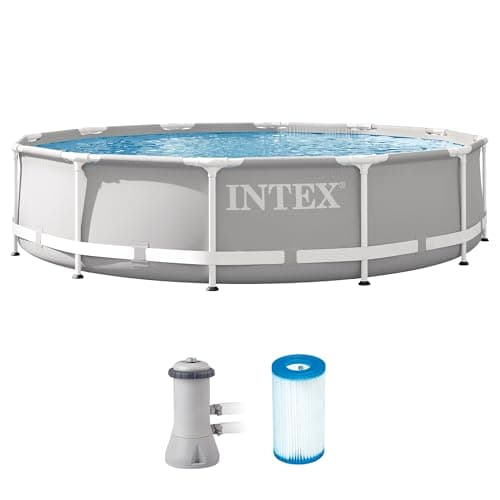
Best Overall
The best above-ground pools for an ordinary backyard
Frame pools ranked on published specs and season running cost, from a 1,700-gallon first pool to a 7,000-gallon family one.
Our top pick: Intex Prism Frame Pool Set, 12ft x 30in
Above-Ground Pools
Every pool on this page is priced twice: once at the checkout, and once for the season of running it that follows.
Each of these carries its top pick’s live price and a buy link right here, so you do not have to click three pages deep to find one.
Best Overall
Frame pools ranked on published specs and season running cost, from a 1,700-gallon first pool to a 7,000-gallon family one.
Our top pick: Intex Prism Frame Pool Set, 12ft x 30in
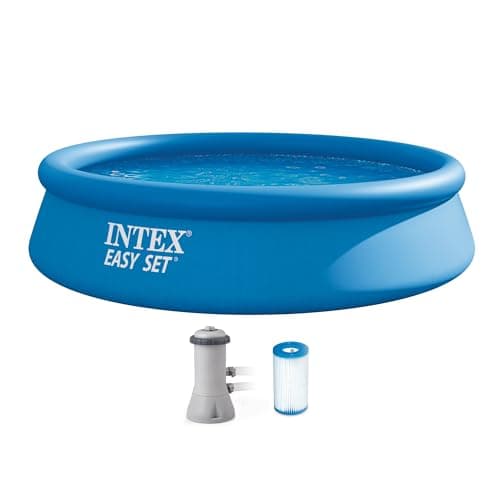
Best on a Budget
The lowest-cost pools that are genuinely worth owning, plus the three false economies that make a cheap pool expensive.
Our top pick: Intex Easy Set Pool Set, 12ft x 30in
Best Inflatable
Soft-side pools compared on published capacity and setup time, plus what actually destroys them and how to slow it down.
Our top pick: Intex Easy Set Pool Set, 12ft x 30in
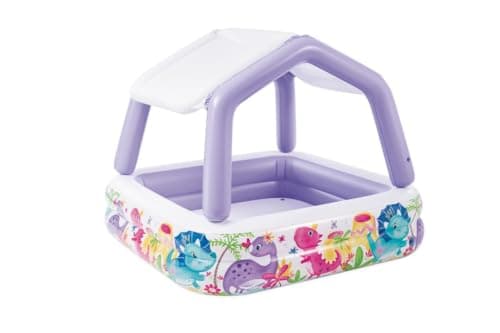
Best for Kids
Pools chosen for young children - depth, shade and securability rank above capacity and construction here.
Our top pick: Intex Sun Shade Inflatable Kiddie Pool
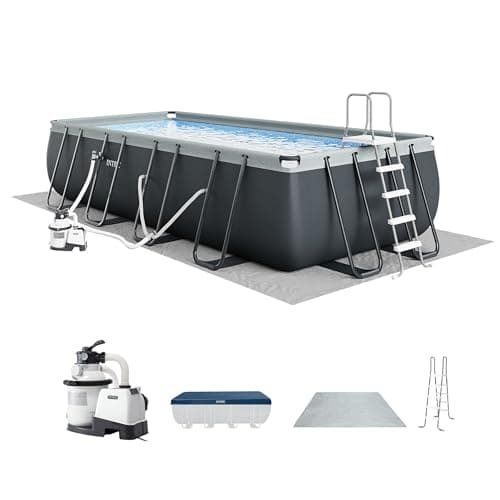
Best for Swimming
The published gallons converted into actual inches of water, so you can see which pools an adult can swim in before you buy one.
Our top pick: Intex Ultra XTR Frame Pool Set, 18ft x 52in
Frame and inflatable 12-foot pools side by side, with the fill cost and season chlorine bill computed from published gallons.
Our top pick: Intex Prism Frame Pool Set, 12ft x 30in
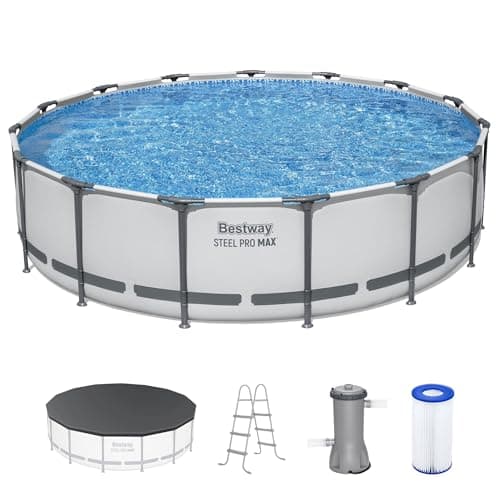
The 14 and 15-foot pools compared, and what doubling the water from a 12-footer actually commits you to.
Our top pick: Bestway Steel Pro MAX Pool Set, 15ft x 42in
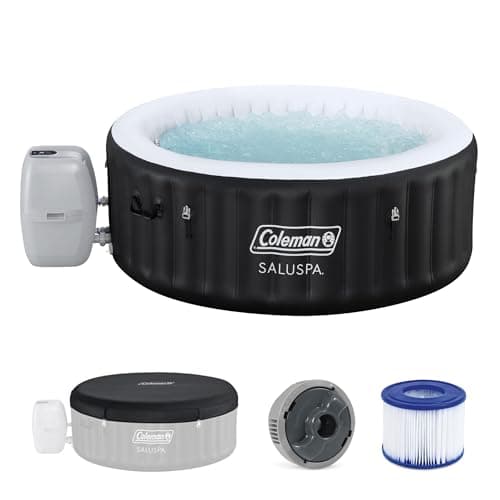
The two inflatable hot tubs worth shortlisting, compared on insulation and cover rather than jet count, plus the running cost nobody publishes.
Our top pick: Coleman SaluSpa Inflatable Hot Tub
Which above-ground pools suit a salt conversion, what the generator adds, and why draining each autumn changes the sums.
Our top pick: Intex Ultra XTR Frame Pool Set, 18ft x 52in
What an 18-foot above-ground pool actually commits you to — ground preparation, sand filtration and a season of running cost that scales with the gallons.
Our top pick: Intex Ultra XTR Frame Pool Set, 18ft x 52in
Which above-ground pool constructions survive a dog, why hard-sided wins, and the chemistry load a dog adds to the water.
Our top pick: Bestway Steel Pro MAX Pool Set, 15ft x 42in
Removable mesh pool fencing compared on height, mesh, fixings and the certification worth paying for — plus the gate specification that matters most.
Our top pick: Removable Mesh Pool Safety Fence
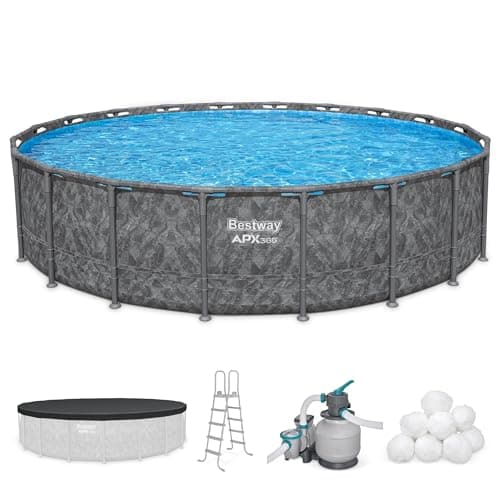
Deep-wall 52-inch above-ground pools compared on what the extra depth buys, what it costs in water and ground preparation, and who it suits.
Our top pick: Bestway APX 365 20' x 52" Round Pool Set
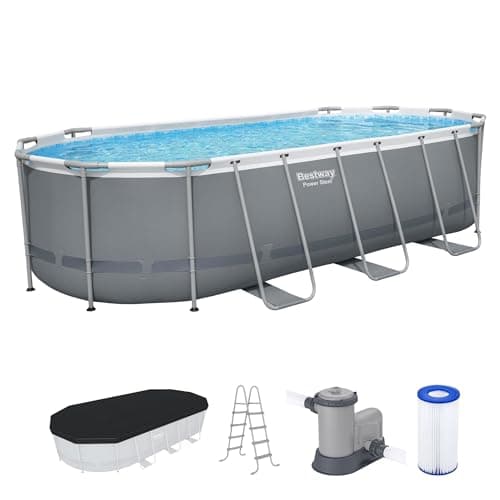
Oval above-ground pools compared with round on yard fit, frame complexity and the accessory problem nobody mentions before you buy.
Our top pick: Bestway Steel Pro MAX Oval Pool Set
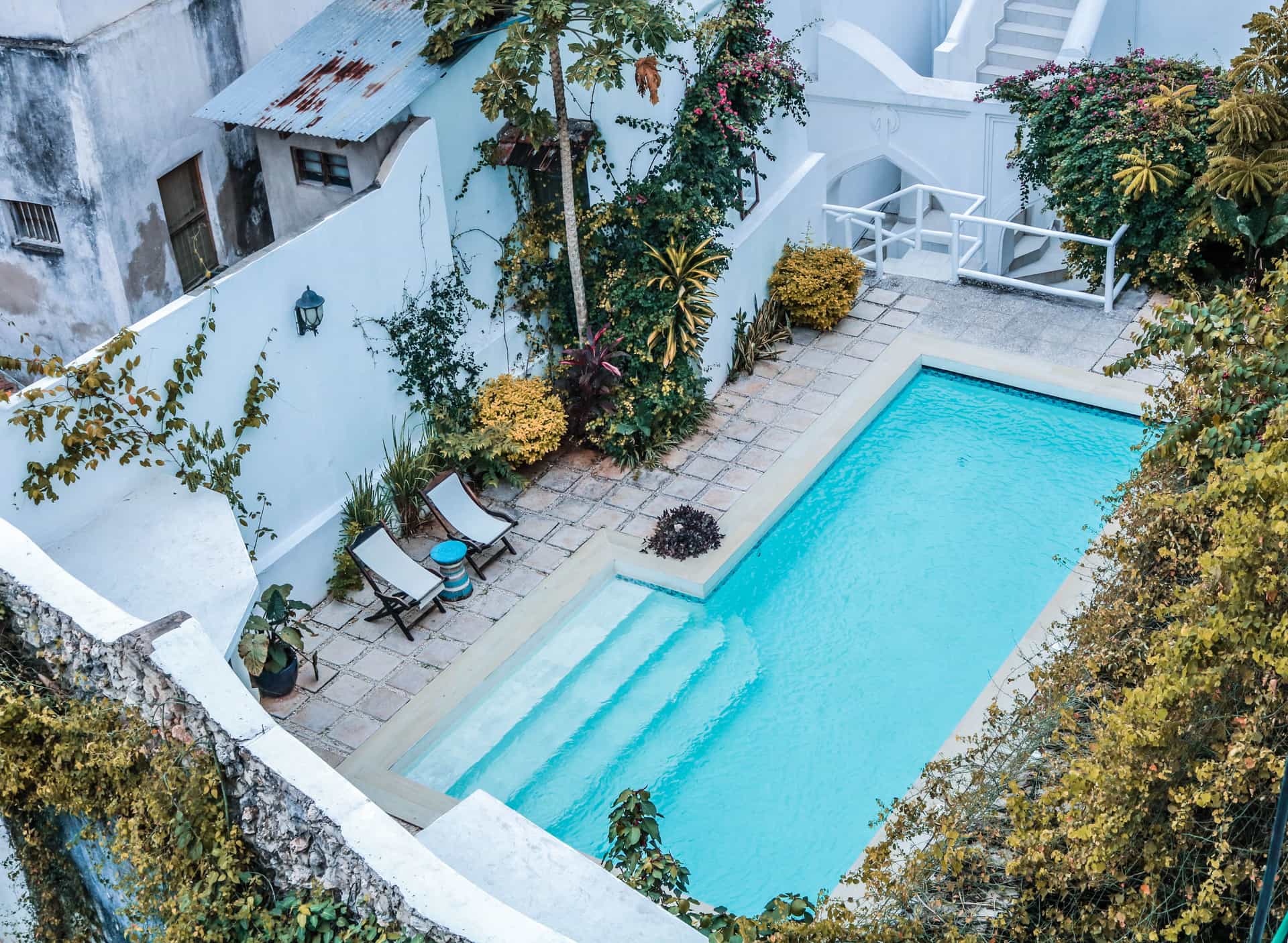
Semi-inground pool kits explained: resin-coated steel walls, how far they can be buried, and the excavation and barrier obligations that come with them.
Our top pick: Semi-Inground Pool Kit (52" Resin-Coated Steel Wall)
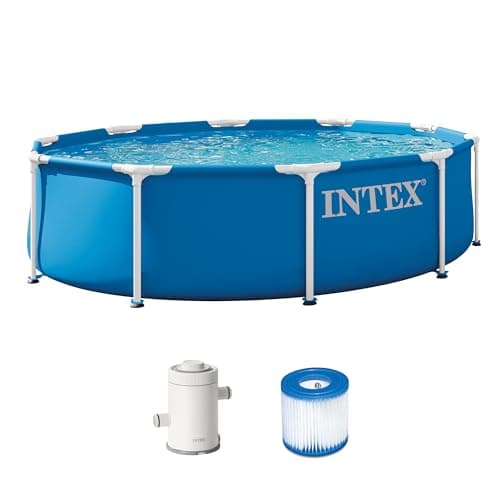
The smallest practical above-ground pool size — what a 10-foot pool holds, what it costs across a season, and when to go smaller or bigger.
Our top pick: Intex Metal Frame Pool, 10ft x 30in
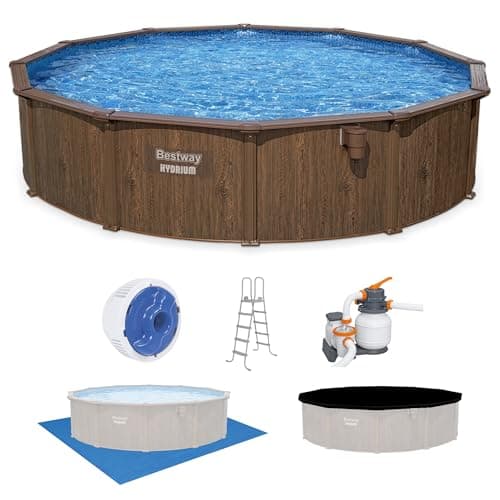
Steel- and resin-wall above-ground pools built to stay up all year, compared on wall coating, liner gauge, what ships in the box and the warranty behind it.
Our top pick: Bestway Hydrium 18' x 52" Steel Wall Pool Set
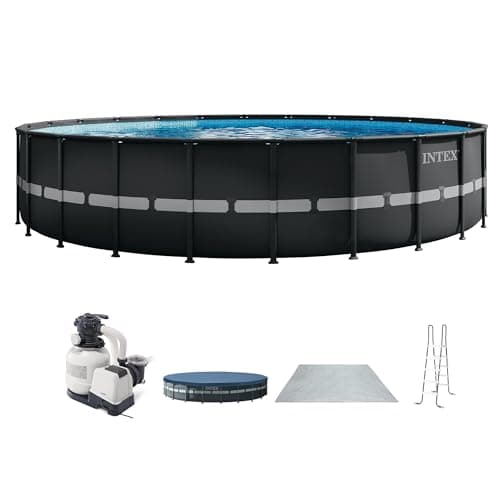
24 ft round pools from frame sets to steel-wall kits, compared on published gallons, what ships in the box, and the ground preparation the size actually demands.
Our top pick: Intex Ultra XTR Frame Pool Set, 24ft x 52in
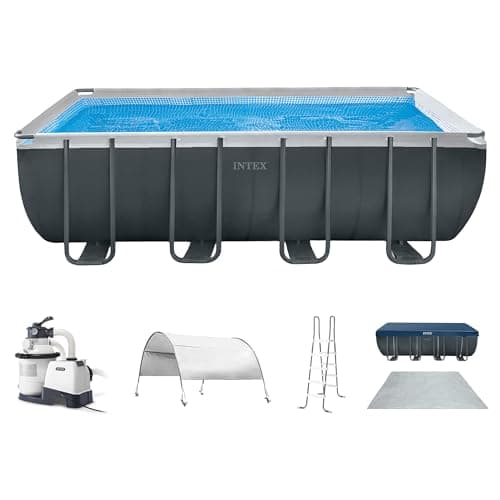
Rectangular frame pools compared on published gallons, wall height and included filtration, with the extra leveling and support the shape genuinely requires.
Our top pick: Intex Ultra XTR Rectangular Pool Set, 18ft x 9ft x 52in
Intex, Bestway, Summer Waves, Blue Wave, Lake Effect, In The Swim and AquaDoc compared on published warranty, what ships in the box and the segment each brand actually serves.
Our top pick: Intex Ultra XTR Frame Pool Set, 18ft x 52in
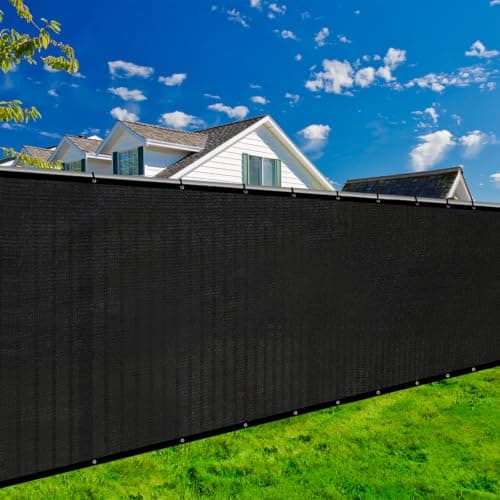
Privacy screens ranked on the only spec that decides the outcome - height against pool wall plus swimmer - plus published blockage and fabric weight.
Our top pick: KANAGAWA Privacy Screen Fence, 8 ft x 50 ft, 90% Blockage
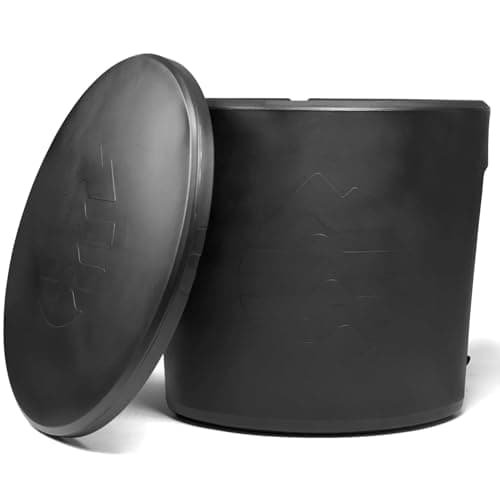
Best Cold Plunge Tub
Cold plunge tubs ranked on published capacity, insulation and chiller fit - because gallons, not sticker price, decide what a plunge habit costs.
Our top pick: Ice Barrel 300 Insulated Cold Plunge Tub
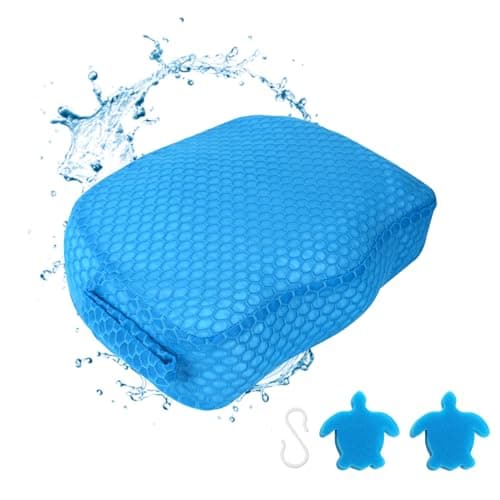
Best Hot Tub Gift
Spa gifts chosen around two published facts - filter types do not interchange, and the dose instructions assume a tub twice the size of an inflatable one.
Our top pick: Samplife Weighted Hot Tub Booster Seat
Almost every first-pool regret traces back to the same decision made in the wrong order. People pick a pool they like, then discover the ground it has to sit on. It should run the other way. An above-ground pool needs a patch of genuinely level ground — manufacturers commonly specify within one to two inches across the whole footprint — and a wall of water is unforgiving about it. Water finds level even when your lawn does not, so a two-inch slope on a fifteen-foot pool means one wall carries several hundred extra pounds of pressure for the entire season.
So measure first. Find the flattest rectangle you have, subtract three feet of walking space on every side, and buy a pool that fits what is left. Our sizing guide turns that into a table, and if the answer is “not much”, the small-yard guide covers what genuinely works in a tight space.
Retail listings blur three quite different products into one aisle. They are not variations on a theme — they have different lifespans, different running costs, and different owners. (If you want the four-way version including inground, that is in types of backyard pool, and round, oval or rectangular covers the shape decision, which is really a yard decision.)
Soft-side and inflatable pools hold their shape with an inflated top ring or a simple fabric wall. They are the cheapest way to get water in a yard, they set up in under an hour, and they are largely consumable: a season or two of hard use is a normal life. If what you want is somewhere for kids to cool off in July, this is the honest answer, and paying more does not buy you a better version of it. Start at our inflatable roundup.
Metal-frame pools hang a liner inside a bolted steel or aluminum frame. This is the volume center of the market and where most families should be looking. They hold their shape properly, take a real pump and filter, come apart for winter storage, and with careful handling they last several seasons. The main roundup is mostly this class, and the Intex versus Bestway comparison settles the two brands that dominate it.
Permanent steel-wall pools are the ones that stay up year-round, often with a deck. They are a different purchase entirely — installation, a real filtration system, and a winter closing routine that is not optional. If that is where you are heading, read above-ground versus inground first, because at that budget the two options start to overlap.
Within a class, the number on the box is driven by three things and not much else: the wall or frame material and its gauge, the volume of water it holds, and whether the kit bundles a pump, ladder, ground cloth and cover. That last item is where comparison gets slippery — a pool that looks fifty dollars cheaper often is not, because the cheaper kit ships without the ladder and the cover you will buy anyway.
The bigger distortion is the one nobody prints. A pool is not a purchase, it is a subscription: filtration runs for hours every day, chemicals are consumed continuously, and water has to be replaced. We price that explicitly in the annual cost-to-run guide, and every pick in every roundup here carries its own running-cost note for the same reason. Doubling the gallons roughly doubles the chemical bill and pushes you up a pump size, so “go one size bigger” is a decision with a recurring price tag attached.
Buying the pool and nothing else. The pool arrives, it goes up in an afternoon, and then a fortnight later the water is cloudy, there is no test kit in the house, and the family conclusion is that pools are hard. They are not hard — but they are a routine, and the routine needs three cheap things you were probably not told to buy: test strips, a chlorine source, and something to skim leaves with.
The moment the box arrives, run the delivery inventory check — frame hardware here is model-specific and a missing pin found on Saturday costs a weekend.
Budget for those on day one, not in week three. Our first-time owner guide is the list, and the setup guide covers getting the thing level and filled without wrecking the liner. If you want the honest version of the whole question first, read are backyard pools worth it — it is the page that talks people out of the purchase as often as into it. And before you take anyone else’s word for any of this, seven common beliefs are checked against published specifications and arithmetic.
Two things sit at the edge of this hub and get asked about constantly. If what you actually want is warm water in October rather than a pool in July, read inflatable hot tubs first — the running cost is the opposite shape to a pool’s. And if you have been told salt water means no chlorine, our saltwater above-ground pools page explains what a salt cell actually does before you spend anything.
Three questions come up so often they have their own pages. At the top of the range, the 18-foot pool is where this category stops being a big paddling pool and starts making real demands of your ground. If you are buying for exercise, read what you can actually swim in one first — the honest answer is not lengths. And if a dog is going in, the problem is the liner rather than the water, which is what pools for dogs is about.
An above-ground pool starts with four feet of smooth vertical wall, which is a real barrier — and a permanent ladder or a deck removes it. If that describes your setup, our pool safety fence roundup covers what to look for, including the certification worth paying for and the gate specification that decides whether any of it works. It is the only layer that prevents access rather than reporting it.
Diameter is the number on the box and it is not the only one that matters. A 52-inch wall is where the water becomes chest-deep and the pool stops being something you stand in. An oval uses a long narrow yard properly, at the cost of a more complex frame and accessories that are harder to buy. A 10-foot pool is the floor of the category and a perfectly honest purchase if the space is genuinely tight. And if your ground slopes rather than being tight, a semi-inground kit is the only thing here that solves that rather than working around it — at the price of an excavation.
And if the plan is to leave the pool up for good, the category changes. Our permanent above-ground pool roundup compares steel-wall pools built to stay up year-round — on the wall coating, the liner gauge, what actually ships in the box, and warranties that run from two years to twenty.
Three pages deal with the decisions that come after “how big”. The 24-foot class is where a pool starts needing a 26-foot working circle and twelve thousand gallons of everything; rectangular pools suit a yard and a deck but give up the hoop strength that holds a round wall together, which is why their manuals ask for more of the ground underneath. And if you want a walk-in entry rather than a ladder, in-wall steps explains why that is a decision made when you buy the pool, not afterwards.
And if you are still at the stage of asking which maker to trust, our brand guide compares seven of them on the things you can actually check before buying: how long each one warrants the pool, what ships in the box, and whether a replacement liner will still exist in three years. The short version is that brands are not interchangeable — inside a single brand the warranty can run from 180 days to two years depending only on which line you pick.
Four more pages answer “which of these two” directly: Intex against Summer Waves and Bestway against Summer Waves on what each brand publishes, Easy Set against Prism Frame at the same twelve feet, and twelve feet against fifteen, which is more than twice the water rather than a quarter more. And three pages start from your situation rather than the product: a pool for older swimmers, where the entry system picks the pool; a pool for a freezing winter, where the maker decides whether it stays up; and a yard reached through a narrow gate.
Two newer pages sit at the edges of the category. A galvanized stock tank makes a real backyard pool, but the galvanizing industry publishes that zinc immersed in chlorinated water corrodes twenty to a hundred times faster than it does in air — which makes the liner the first purchase rather than the last. And privacy screens come down to one piece of arithmetic almost nobody does: a 52-inch pool puts a standing swimmer’s eyes around eight and a half feet off the ground, so the 6-foot screen that worked for the patio does nothing for the pool.
And one page for the months the pool is shut. Running an inflatable hot tub through winter is the other half of owning a backyard in October: most tubs are rated to do it, the cover and the ground mat are where the money goes, and the single rule that matters is that a full tub which stops heating in a freeze can crack its own plumbing. Run it or drain it completely — full and cold is the state that ends them.
The newest thing in this corner of the backyard goes the other way on temperature. Cold plunge tubs are above-ground water vessels whose season is winter, and the figure that decides what one costs to own is published on every listing: gallons. The cheapest tub here holds nearly three times the water of the dearest, which means nearly three times the cooling, every session, forever — and it sits well past the published rating of every affordable chiller. If the real question is warm water in cold weather rather than cold water, we have compared the two directly: one of them has a running cost you can calculate before you buy, and the other does not. And if you are shopping for someone else, gifts for hot tub owners is built around the two published traps — Type S1 and Type VI spa filters do not interchange, and the dose on a bottle of spa fragrance is written for a tub twice the size of an inflatable one.
Head to head
The two dominant brands compared on published specs, filtration ecosystems and kit contents - with a clear who-should-buy-which verdict.
Head to head
Cost, commitment, depth and reversibility compared - plus the budget point where the two categories genuinely start to overlap.
Guide
The three-foot rule, the level-ground tolerance, and a table matching yard size to pool size with the running cost attached.
Guide
Round versus rectangular in a narrow yard, the smallest sizes worth filtering, and why smaller is cheaper twice over.

Guide
Leveling, ground protection, filling and priming - the afternoon that decides how the rest of the season goes.
Guide
Inflatable, metal frame, permanent steel wall and inground - what separates them and which one you are actually shopping for.
Head to head
How to compare a bundled pool set against a pool-only listing plus separate pump, ladder, cover and ground cloth - and when buying separately actually wins.
Guide
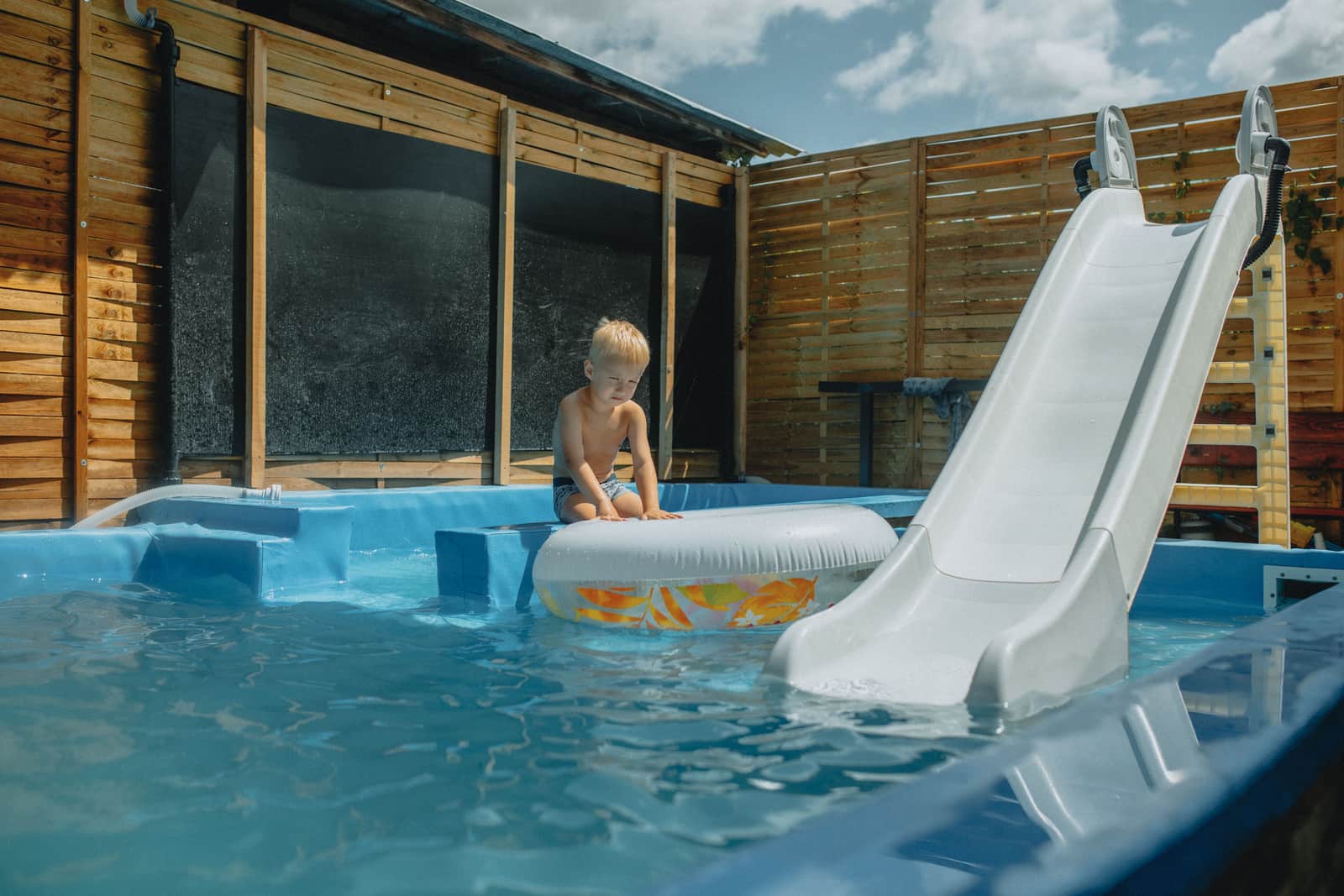
Realistic lifespans by pool type, the four failure modes that account for nearly all of them, and the cheap items that add seasons.

Guide
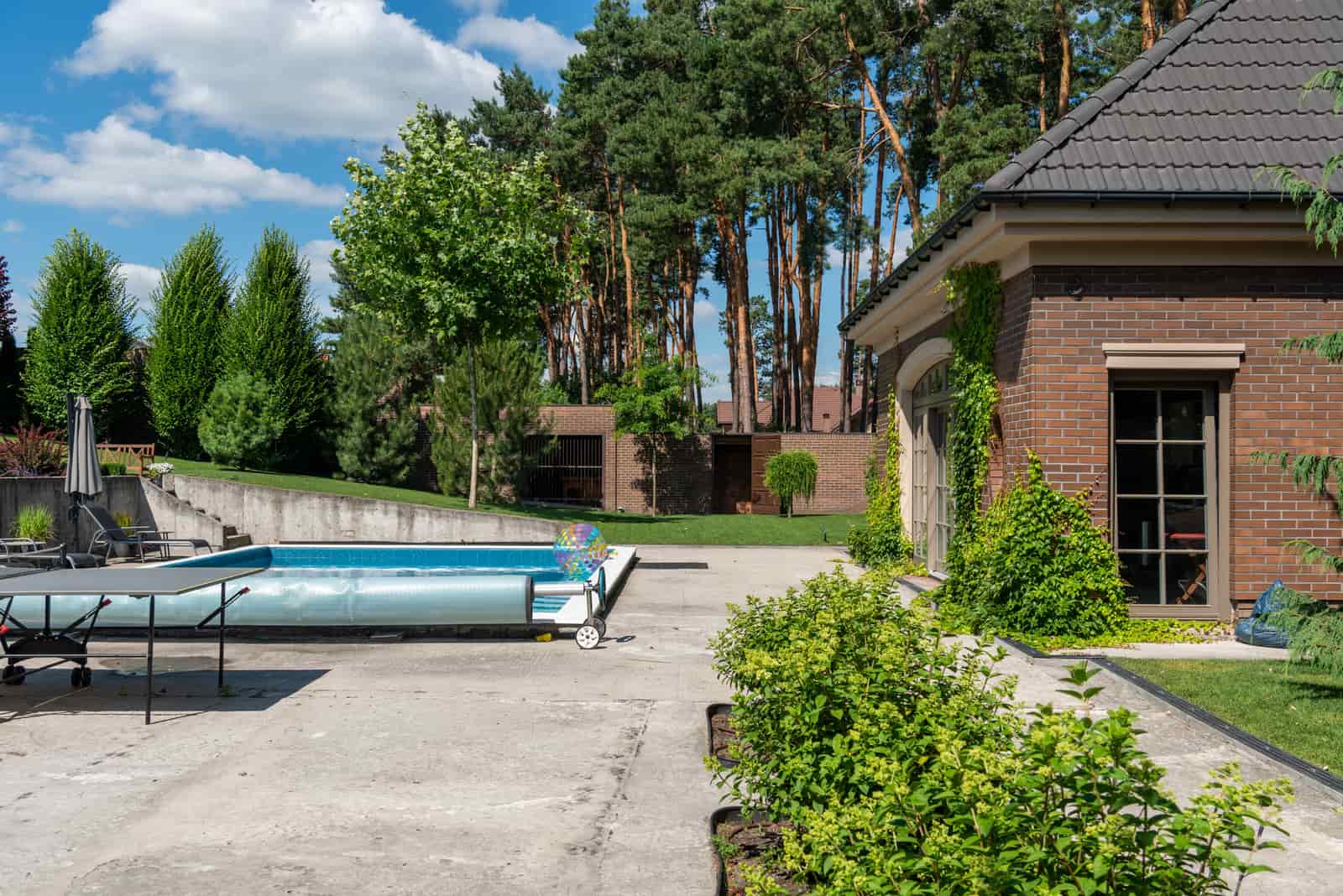
The tolerance manufacturers publish, the weight of water that enforces it, and the method for getting a circle genuinely flat with hand tools.
Guide
Every common surface assessed, with the load per square foot each pool size actually applies - the number that rules a deck in or out.
Guide
The questions that decide whether you need a permit or a barrier, who to ask, and the safety layers that apply regardless of what the rules say.

Guide
The inspection checklist for a secondhand pool, which faults are cheap and which end the deal, and the parts you will have to buy anyway.
Guide
How round, oval and rectangular pools compare on water per square foot, parts availability and how hard they are to level.
Guide
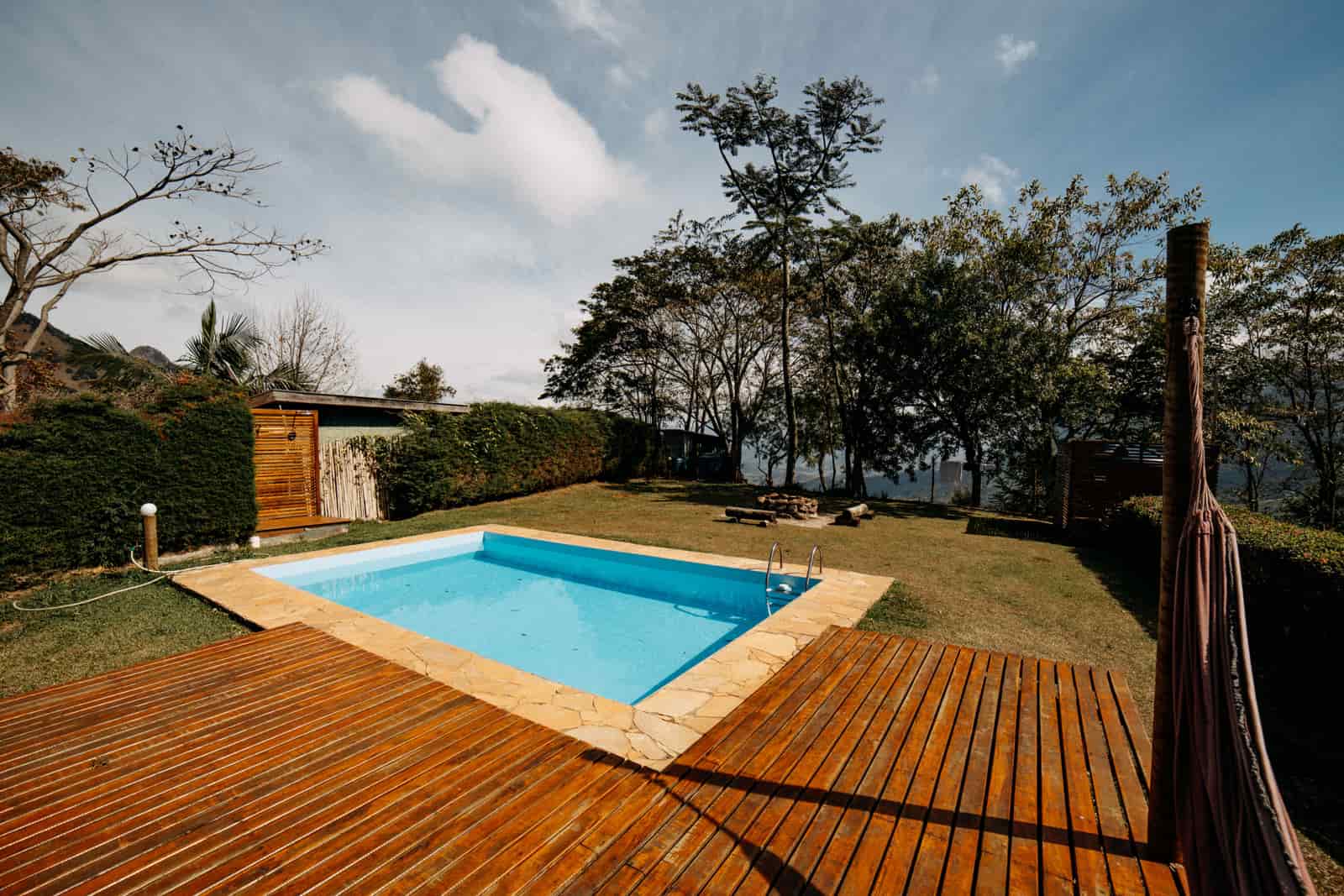
Decks, platforms and steps around an above-ground pool - what they change about safety and maintenance, and the cheaper options that work.
Guide
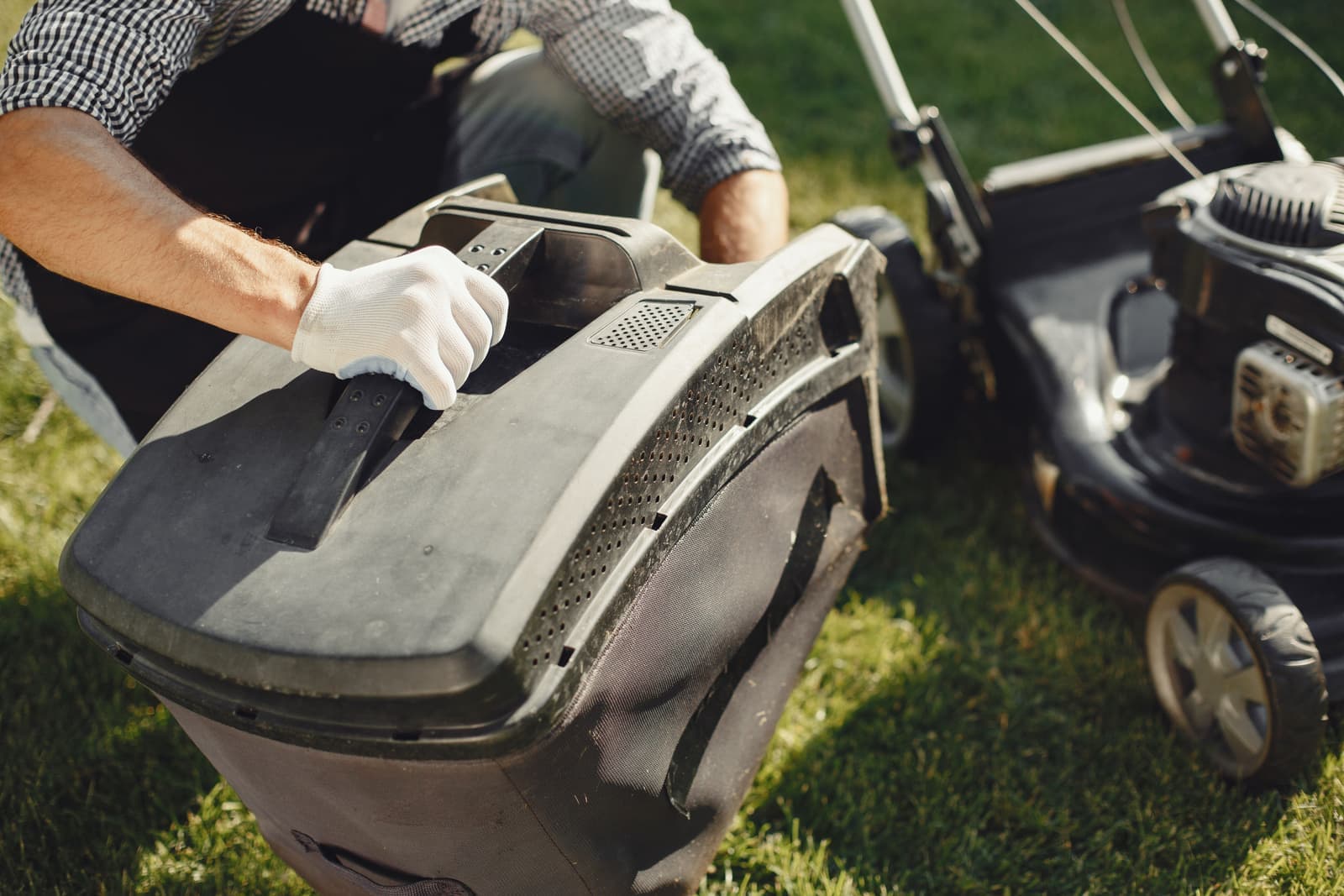
The sequence for relocating an above-ground pool across the garden or to a new house, and an honest read on when it is not worth it.
Guide
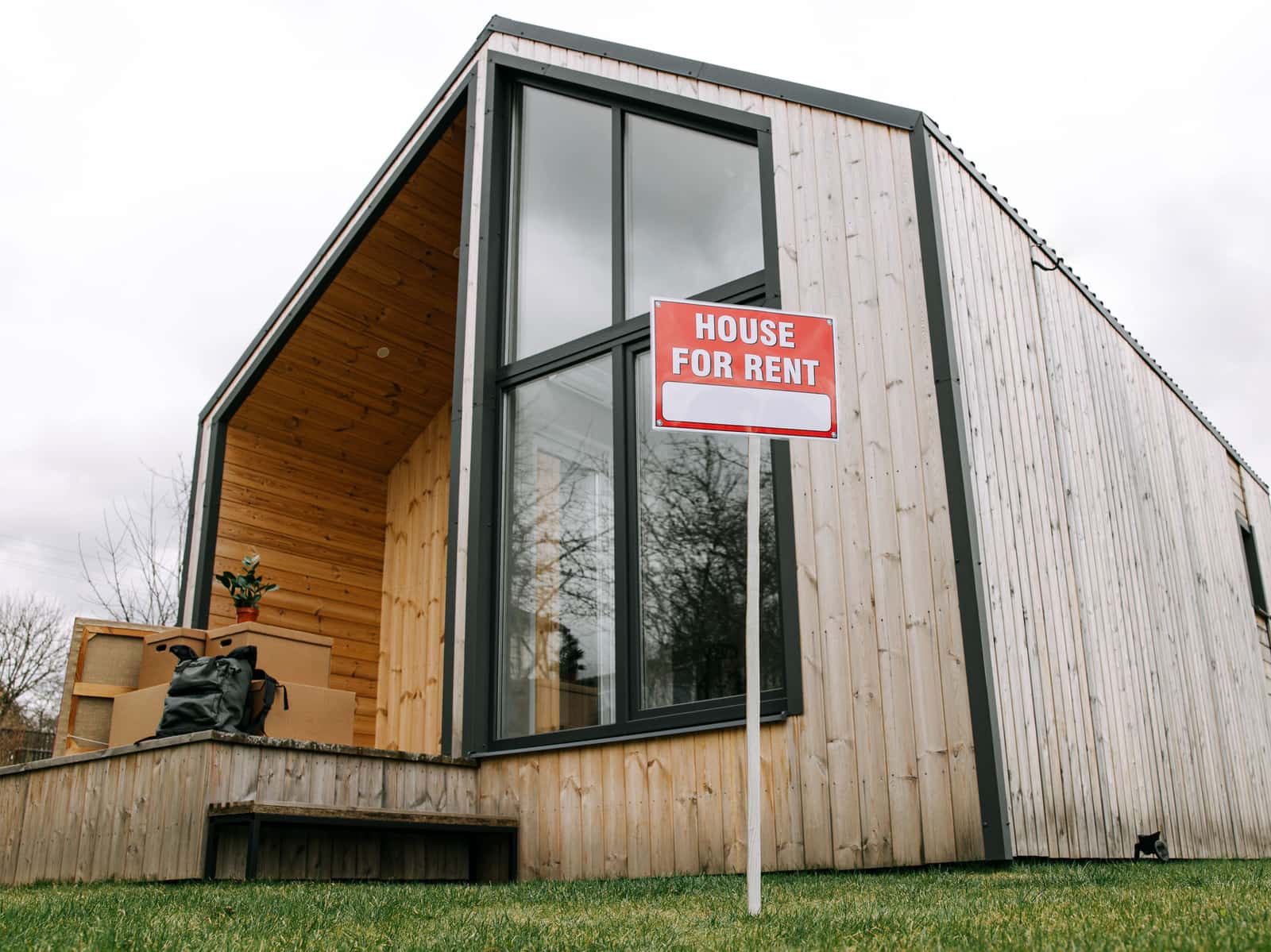
What to ask a landlord before buying, what actually risks a deposit, and which pools make sense when you might move.

Guide
The parts inventory and condition check to do the day a pool arrives, and what to do about anything missing or damaged.

Guide
Why grass under a pool dies, how long recovery actually takes, and the timing decision that halves it.

Guide
Common claims about above-ground pools tested against published specs and arithmetic, including which ones hold up.

Guide
The four things that cause pool disputes with neighbors, and how siting decisions made once prevent all of them.
Guide
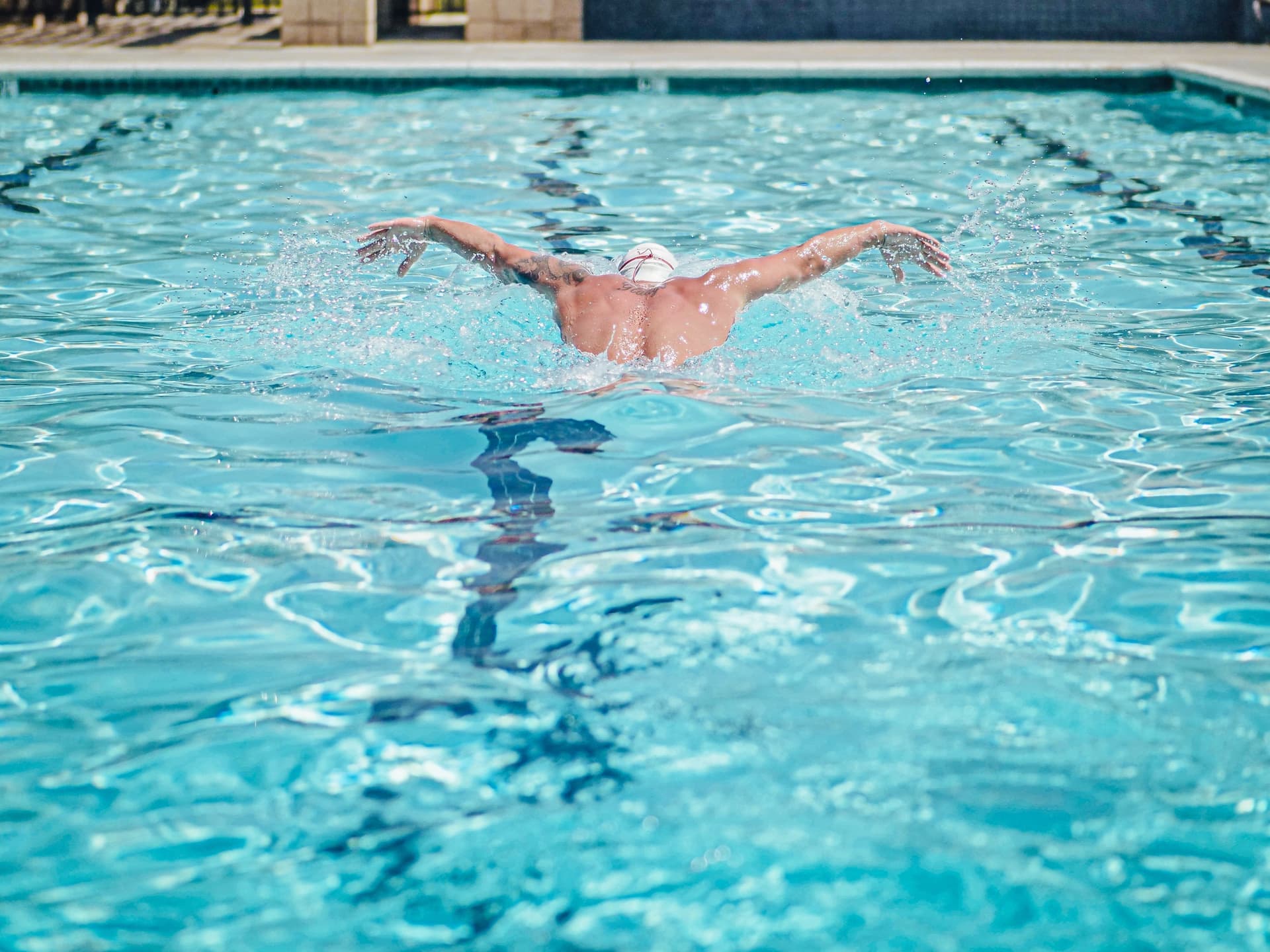
What above-ground depth and diameter actually allow for swimming, and the tether that turns a round pool into a continuous-swim pool.
Guide
What in-wall pool steps actually involve - concrete cap blocks, a poured trench, liner face plates - why retrofitting voids warranties, and the drop-in alternatives.
Head to head
Two mass-market frame pool brands compared on published capacity, warranty by product line and what ships in the box - and what happens when a maker publishes none of it.
Head to head
Bestway and Summer Waves compared on published warranty, what ships in the box and whether the brand has anywhere to upgrade to when the frame pool wears out.

Head to head
Intex's two 12-foot pools compared on published capacity, set-up time, warranty term and what each one is realistically worth after one season.
Head to head
The 12-foot and 15-foot classes compared on published capacity, wall height, ground needed and what the extra water costs to fill and treat.

Guide
Choosing an above-ground pool for older swimmers: wall height, entry systems with handrails and gates, the published weight ratings, and what to fit before the pool is filled.

Guide
How a freezing winter changes the buying decision: which pools manufacturers allow to stay up, which must be drained and stored, and the closing kit that protects either.

Guide
How narrow access changes which above-ground pool you can buy: what to measure, which types come in manageable packages, and the working room the build still needs.

Guide
What a galvanized stock tank costs to turn into a pool, and the published corrosion figures that make a liner the first purchase rather than the last.
Guide
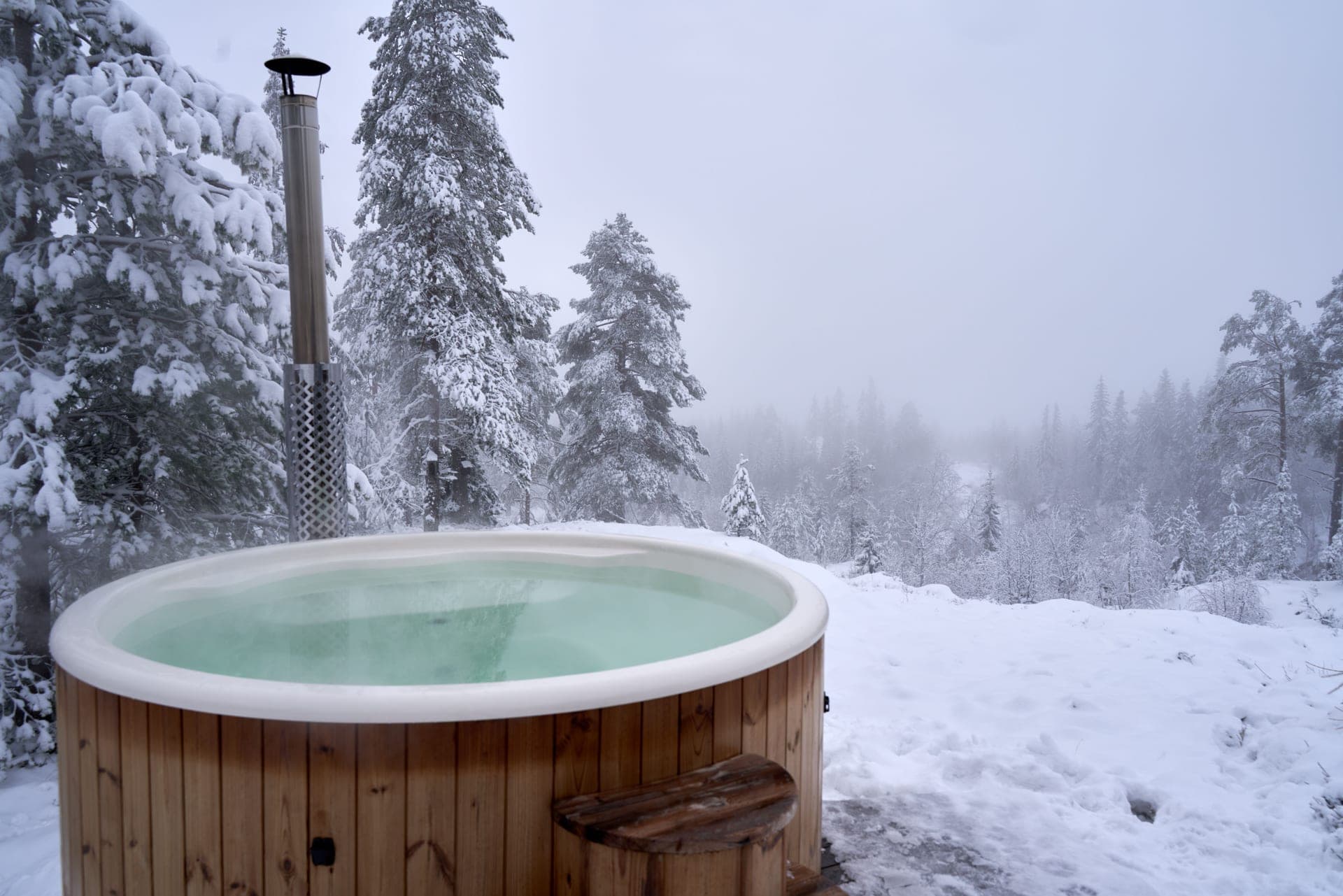
What changes when an inflatable hot tub runs through the cold months - the loss-side purchases that pay for themselves, and the freeze failure that ends the tub.
Head to head
The two backyard tubs that make sense in winter, compared on what each publishes about energy, water changes, sanitizer and who can actually use it.
We have not tested these products. What we do instead is compile published specifications, compute what each option costs to run for a season, and show the arithmetic so you can redo it with your own numbers.